
France has a way of making you feel as though you’ve discovered something special, even when millions of people have been there before you. Sure, everyone thinks they know France because of Paris, the Eiffel Tower, and croissants, but once you leave the city, you discover charming villages tucked along rivers, lavender fields that touch the horizon, and coastlines that rival the Med. This guide is everything I wish I’d known before planning a trip to France—and a few things that surprised me along the way.
The first time I spotted the Eiffel Tower, I understood the hype completely—it’s one of those landmarks that earns every bit of its reputation. Chris and I spent two to three days exploring Paris—because everyone should—then we traveled out of the city. That’s where France really enchanted us.
25 Tips for Planning a Trip to France
This page may contain affiliate links. If you choose to click on one of the links and then make a purchase, Just Wander More may earn a small commission. The commission is paid by the company at no extra expense to you. Read the full disclosure here.

The best France trips don’t happen by accident—they happen because you do the homework. These 25 tips cover everything from logistics to local etiquette so you can spend less time figuring it out and more time actually enjoying it. If you’re still in the early stages, start with my guide to planning a trip to Europe for the big picture first.
Before You Leave Home
The logistics you handle before you leave home are the details that ensure everything runs smoothly as you travel. Don’t skip these. Check the official France tourism website, for regional guides, inspiration, and up-to-date travel information.
1. Plan How Many Days to Explore France
France is not a one-week country. You could spend a month here and still feel as though you’ve only scratched the surface. At a minimum, plan a trip to France for at least 10 to 14 days if you want to experience Paris plus at least one or two regions. Two weeks gives you breathing room; three weeks lets you actually slow down.
2. Check Your Passport Expiration Date
Before anything else, check your passport. Your passport must be valid for at least six months from your first date of travel—two of my friends learned this the hard way when they were denied boarding. Renew early; the process may take longer than you think.
3. Check Visa & Entry Requirements
US citizens do not need a visa for stays under 90 days in France. However, the EU’s ETIAS travel authorization system is expected to launch soon—check current requirements before you book.
4. Invest in Travel Insurance
Travel insurance is non-negotiable for international travel. From missed connections to medical emergencies to canceled plans, it’s the one thing you hope you never need and will be grateful you have.
5. Book Major Attractions in Advance
The Eiffel Tower, the Louvre, Mont Saint-Michel—these tourist experiences often sell out. One of the top France travel tips is to book tickets online before you leave home and save yourself the disappointment of waiting in long lines or finding a sold-out sign after a transatlantic flight.
Getting Around France
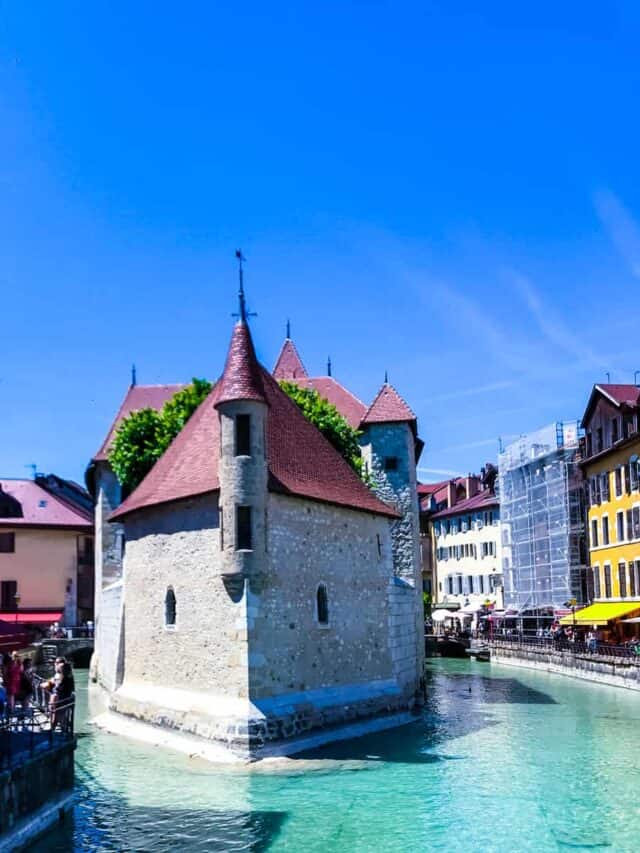
France has one of the best transportation networks in Europe—getting around is straightforward once you know your options. Whether you’re hopping between cities by train or exploring the countryside by car, a little planning goes a long way.
6. Get Off the Beaten Path
France’s most memorable moments rarely happen at the most crowded attractions. Seek out the small towns and villages outside Paris, the local markets, and the roads less traveled—that’s where I find the France I love.
7. Plan to Walk—A Lot
Comfortable shoes are essential. French cities and villages are best explored on foot, and you’ll cover far more ground—and stumble onto far more gems—by walking than any other way. Chris and I often exceed 20,000 on any given travel day in France.
8. Take the Train as Much as Possible
France’s high-speed TGV train network is fast, efficient, and incredibly scenic. Paris to Lyon in two hours. Paris to Marseille in three. Yes, please! The train is almost always the smartest choice for city-to-city travel. That said, check your specific destinations in advance—Chris and I discovered that getting to Normandy from Paris required a rental car, as train stations weren’t close to where we wanted to go.

Tip: Book train tickets well in advance through the SNCF Connect app or the Trainline website for the best prices—popular routes sell out fast. SNCF (Société Nationale des Chemins de fer Français) is France’s national state-owned railway company.
9. Renting a Car
A rental car is the best way to explore rural France—the villages, the vineyards, the countryside roads that don’t appear on any tourist map. Pick up your rental after your Paris days and use it for regional exploration. If at all possible, pick up your rental car outside of Paris. Driving in Paris is never on anyone’s bucket list.
Tips for Driving in France
- Brush up on international driving tips and look into getting an International Driver’s Permit before you travel.
- Drive on the right side of the road, similar to the US.
- Priorité à droite means vehicles from the right have priority at unmarked intersections.
- Toll roads (péages) are common—carry a credit card or cash.
- Speed cameras are everywhere.
- Download the Waze app before you go.
Culture & Etiquette

France has a rich culture and a few unspoken rules that go a long way when you know them. A little effort here earns a lot of goodwill.
10. Learn Basic French Words & Phrases
The French appreciate any effort you make to speak their language—even if it’s just a few words. Lead with French first and most locals will happily switch to English. A few essentials to know:
- Bonjour — hello
- Bonsoir — good evening
- Merci — thank you
- S’il vous plaît — please
- Excusez-moi — excuse me
- Oui / Non — yes / no
- Parlez-vous anglais? — Do you speak English?
11. Don’t Assume Everyone Speaks English
In Paris you’ll find plenty of English speakers, but venture into smaller towns and villages and not so much. I’m always grateful that Chris has a grasp of the French language. Download the Google Translate app for your trip to France—Chris and I always use the camera translation feature to translate menus for us.
12. French Etiquette Tips
The French are formal by nature, and a few simple gestures go a long way. Always greet shopkeepers and restaurant staff with a bonjour when you enter and au revoir when you leave. Don’t rush. Don’t be loud. And never skip the greeting—it’s considered rude to launch straight into a request without one.
13. French Dining Culture
Dining in France is an experience, not a quick service. Lunch is often two hours, dinner rarely starts before 7:30 pm, and your server will not bring the bill until you ask for it—that’s a sign of respect, not inattention. Embrace the pace and enjoy every course.
14. Dress Appropriately for Visiting Churches
France’s churches and cathedrals are stunning—and many are still active places of worship. Cover your shoulders and knees before entering. Carry a light scarf in your bag for exactly this reason.
France Travel Essentials

A few practical items can make your trip to France so much better. Here are a few things worth thinking about before you pack your bag.
15. Wear the Right Shoes
Cobblestone streets, long museum corridors, village hills—your feet will log serious miles every day. Leave the fashion footwear at home and bring comfortable, broken-in walking shoes. Your feet will thank you by day three.
16. Wear a Crossbody Bag
I appreciate that my crossbody bag keeps my belongings secure and my hands free—essential for navigating busy markets, train stations, and city streets. It also allows me to keep my hand on my bag when I am in crowded areas where pickpockets are known to operate.
17. Bring a Power Adaptor
France uses Type E outlets with 230V power. If you’re coming from the US, you’ll need a power adaptor. Pick one up before you leave home; airport versions are overpriced. I also bring a power strip that I plug into the adaptor and then I can charge all of my electronics in one place.
18. Plan Your France Packing
Packing for France depends heavily on when you’re going and where. Layers are essential year-round, comfortable shoes are non-negotiable, and a light rain jacket is always a good idea. Before you start throwing things in a suitcase, grab my Europe Travel Planning Guide—it includes packing lists, to-do lists, and all the last-minute details you don’t want to forget before you leave home.
Travel Must-Haves
Sunscreen: Use sunscreen every day, not just on your beach days.
Laundry Detergent Pods: If you travel for more than a week, you will likely need to do laundry.
Hand Sanitizer: For all the things you touch throughout the day, hand sanitizer is essential.
Travel Adapter: Not all international countries use the same adapters. Be sure to check before you go. Purchase one here.
Travel Backpack: Chris likes his The North Face Recon Backpack. I use The North Face Surge backpack designed for women.
Crossbody Anti-Theft Bag: Pickpocketing is a real concern in busy cities. A secure crossbody bag keeps your belongings close without the bulk. I love the Travelon Anti-theft Messenger Bag.
Packing Cubes: A game changer for staying organized, especially when you’re moving between cities. Shop packing cubes here.
Portable Power Bank: Long days of sightseeing, navigation, and photography will drain your phone faster than you think. Don’t get caught without one. Shop power banks here.
Walking Shoes: You will cover a lot of ground. Comfortable, broken-in shoes are non-negotiable. Shop walking shoes here.
Favorite Camera: My go-to DSLR is the Canon 6D Mark II and it has never let me down. If you’re ready to go mirrorless, the Canon EOS R6 Mark III is the natural upgrade—and your existing Canon EF lenses work on it with an adapter. New to photography? Start with the Canon EOS R50.
Get a Travel Credit Card: We often travel worldwide for free using travel rewards. The Chase Sapphire Reserve is one of our favorite travel credit cards.
Favorite Electronics: Chris and I are Apple users—watches, phones, tablets, AirPods, and Apple AirTags for security. Don’t forget the cables and chargers too. Check out my electronics suggestions here.
Money & Budgeting in France

International travel is often a bucket list dream—one you’ve been saving for long before you book your flights. Knowing how France works into your budget before you go means fewer surprises and more money spent on the things that matter.
19. Carry Cash for Small Purchases
You will find that most restaurants and shops accept credit cards, but smaller vendors, markets, and rural businesses often prefer cash. Always have some euros on hand—you don’t want to miss out on a perfect crêpe from a street vendor because you only have a card.
20. Always Carry Coins for Public Restrooms
Public restrooms in France frequently charge a small fee—usually 50 cents to €1. This is one of those things nobody warns you about until you’re desperately searching through your bag. A few tips to make life easier:
- Always keep coins in your pocket.
- If you stop at a restaurant or cafe, be sure to use their free restrooms.
- There are some free public restrooms at the Luxembourg Gardens in Paris close to the rear exit.
21. Tipping in France
Tipping is not customary in France—service is included in the bill by law. That said, leaving a few euros for exceptional service is always appreciated. Round up the bill or leave small change; a 10-15% tip is generous and never expected.
22. Get a Paris Museum Pass
If you’re spending several days in Paris, a Paris Museum Pass pays for itself quickly. It covers entry to over 50 museums and monuments—including the Louvre, Musée d’Orsay, and Versailles—and lets you skip the ticket lines.

Stay Safe & Use Common Sense

France is generally a safe country to visit, but like any popular tourist destination, it has its share of petty crime. A little awareness goes a long way.
23. Safety Tips
Stay alert in crowded areas—train stations, tourist attractions, and busy markets are prime spots for opportunistic theft. Keep your valuables close, don’t flash expensive jewelry or cameras, and trust your instincts. If something feels off, it probably is. If you are traveling with others, make it habit to keep an eye on each other’s belongings.
24. Watch Out for Pickpockets
Pickpockets are common in Paris, particularly around the Eiffel Tower, the Louvre, and the Metro. Wear your crossbody bag in front of you in crowded spaces, use a money belt for passports and large cash, and never leave your phone on a restaurant table.
25. Know the Common Scams
A few scams are worth knowing before you go. The petition scam involves someone approaching you with a clipboard asking for a signature—walk away. The friendship bracelet scam involves someone tying a bracelet on your wrist then demanding payment. The gold ring scam involves someone “finding” a ring and asking for a reward. Stay aware and don’t engage.
Best Time to Visit France
The good news is that France is a year-round destination. The best time to visit depends on what you want to do and where you’re going.
| Season | Best For | Watch Out For |
|---|---|---|
| Spring (April – June) | Mild weather, blooms, manageable crowds | Spring break crowds in April |
| Summer (July – August) | Lavender fields, beach season, long days | Peak crowds, highest prices |
| Fall (September – October) | Harvest season, fewer crowds, stunning light | Shorter days by October |
| Winter (November – December) | Christmas markets, Paris magic, lower prices | Cold, some attractions reduced hours |
| January – March | Lowest prices, fewest crowds | Cold, some attractions closed or reduced hours |
Getting to France
Most international flights into France land at Paris Charles de Gaulle (CDG) or Paris Orly (ORY). CDG is the larger of the two and handles the majority of transatlantic flights. A few things to know:
- From the US — Direct flights are available from most major cities including New York, Chicago, Los Angeles, and Dallas. Flight time is roughly 8–10 hours depending on your departure city.
- From within Europe — France is well connected by both budget airlines (EasyJet, Vueling) and high-speed trains. If you’re already in Europe, consider the train—the Eurostar connects London to Paris in about two and a half hours.
- Getting into Paris from CDG — The RER B train is the easiest and most affordable option into the city center. Taxis and rideshares are available but significantly more expensive.
- Other entry airports — Nice Côte d’Azur (NCE) is the best entry point for the French Riviera, while Marseille Provence (MRS) makes more sense if you’re heading straight to Provence and the South of France—no Paris layover required.
Where to Go in France

France is a country of wildly distinct regions, each with its own personality, landscape, and pace. A well-rounded trip means getting beyond Paris and exploring at least one or two of these:
- Paris — The obvious starting point and worth every bit of the hype. Give it at least two to three days. Related Post: 15 Dreamy Reasons to Visit Paris
- Normandy — History, coastline, and charm. Mont Saint-Michel, the D-Day beaches, and medieval villages make this one of France’s most rewarding regions. Related post: 15 Unforgettable Things to Do In Normandy, France
- Loire Valley — Château country. The Loire Valley is dotted with fairytale castles, vineyards, and small towns that feel untouched by time.
- Provence — Lavender fields, Roman ruins, hilltop villages, and Mediterranean light. Visit in June or July for the lavender. Related post: 15 Charming Villages in the South of France You NEED to See
- French Riviera — Nice, Cannes, Monaco, and the stunning Côte d’Azur coastline. Glamorous and gorgeous.
- Alsace — Half-timbered houses, Christmas markets, and a culture that blends French and German influences beautifully.
- The French Alps — Chamonix, Mont Blanc, and some of the best hiking and skiing in Europe.
Where to Stay in France
France has accommodation options for every travel style and budget—from boutique hotels in Paris to farmhouse rentals in Provence. Where you stay depends largely on where you’re going and how you want to experience it.
- Paris — Stay in the arrondissement that fits your style. The Marais (4th) is central, walkable, and full of character. The 7th puts you close to the Eiffel Tower. Avoid booking solely based on price—location matters enormously in Paris.
- Normandy — Small hotels and B&Bs are the norm here. Staying in a smaller town rather than a city gives you a much more authentic experience.
- Provence & South of France — Vacation rentals and gîtes (French country cottages) are ideal for this region, especially if you’re renting a car and exploring at your own pace.
- French Riviera — Hotels range from budget to eye-wateringly expensive. Nice is a great base that’s more affordable than Cannes or Monaco.
- Alsace — Colmar is the obvious base, with charming hotels right in the old town. Book early—it fills up fast, especially around Christmas market season.
Photography Tips for France
Tips for Taking Photos in France
- Camera gear matters less than you think. A modern smartphone will capture stunning images. Bring what you’re comfortable with and focus on the moment.
- Arrive early. Tourist destinations are dramatically less crowded at first light—and the soft morning light is better for photos anyway.
- Be patient. At busy sites, a few minutes of waiting can clear your shot entirely. Or embrace the crowds and make them part of the story.
- Look up—and down. Ceilings, floors, and doorways are as photogenic as the landmarks themselves.
- Wander the side streets. Some of the best shots in France have nothing to do with the famous sites—iron balconies, colorful shutters, a bicycle leaning against a stone wall.
- Reflect on it — Paris and many French villages have canals, rivers, and fountains that create stunning reflection shots
- Golden hour is magic. The warm light on Paris’s cream-colored buildings in the late afternoon is unlike anywhere else.
- Markets are gold. Colorful produce, flower stalls, and locals make for incredibly vivid street photography.
- Mind the rules. The Eiffel Tower lit up at night is copyrighted—fine for personal and blog use, but worth knowing if you’re using images commercially.
France Quick Facts
- Official Language: French
- Capital City: Paris
- Population: 69.1 million
- Currency: Euro (€ or EUR)
- Power Outlet: Type E with 230V (US devices may need a voltage converter
- Emergency Number: 112
- Drive on the: Right side of the Road

Frequently Asked Questions
Is tap water safe to drink in France?
Yes, tap water in France is safe to drink and of excellent quality. You’ll find free drinking water fountains throughout Paris and most French cities. Order “une carafe d’eau” at restaurants for free tap water—don’t feel obligated to order bottled. If you prefer sparkling water, ask for “eau gazeuse.” Still bottled water is “eau plate.”
Do I need to speak French to visit France?
Not fluently, but a few basic phrases go a long way. Most people in Paris and tourist areas speak English, but making the effort to greet locals in French is always appreciated.
What is the best way to get around France?
The TGV high-speed train network is the easiest and most scenic option for city-to-city travel. Rent a car for rural regions and smaller villages where trains don’t reach. PS The TGV takes you right to Disneyland Paris too.
How many days do I need in France?
At minimum, plan for 10-14 days to experience Paris plus one or two regions. Two to three weeks gives you the time to slow down and truly explore.
Is France safe for tourists?
Yes, France is generally very safe. Petty theft and pickpocketing are the most common issues, particularly in Paris. Stay aware in crowded tourist areas and keep your valuables secure.
What is the currency in France?
France uses the Euro (€). Credit cards are widely accepted, but carry cash for smaller vendors, markets, and public restrooms.
When is the best time to visit France?
Spring (April–June) and fall (September–October) offer the best combination of good weather, manageable crowds, and reasonable prices.
Love this Post? Pin it!
Visit Paris. Then Be Enchanted by the Rest of France
If you have never been to Paris, the city deserves a visit. After that, prepare to be enchanted by charming villages, lavender fields, tree-lined roads, and delicious food—there is always another corner of this country worth discovering.
Before you go, grab my Europe Travel Planning Guide for packing lists, to-do lists, and everything you need to make your France trip one for the books.
You may also love…
- Paris With Kids: 17 Super Tips for Family Vacations in Paris
- 15 Fun Things To Do In Paris with Kids
- 40 Ultimate Disneyland Paris Tips and Hints
- 40 Most Romantic Things to Do in Europe
- Apple AirTags: The Tiny Travel Hack That Outsmarts Lost Luggage
- Best Travel Backpack for Europe, Adventures & Hiking
- 17 Features of The Best Crossbody Bag for Travel that I LOVE!