
Planning a trip to Croatia is one of the best decisions you will make as a traveler. With over 1,000 islands, stunning Adriatic beaches, charming coastal towns, and incredible national parks, Croatia is the perfect destination. In this guide, you will find 25 things to know before you go—from the best time to visit and how to get around to what to wear, what to eat, and what not to do.
When Chris and I started planning our Croatia trip, everyone had the same advice: Dubrovnik. Split. Hvar. We had a different idea—thanks in large part to one of Chris’ Croatian coworkers, who grew up spending summers on Rab Island and pointed us toward the places locals actually love. We wandered the cobblestone streets of Rovinj, discovered the impossibly blue waters of Rab Island, and stood completely speechless in front of the waterfalls at Plitvice Lakes National Park. Croatia exceeded every expectation—and we barely scratched the surface.
25 Things to Know Before Planning a Trip to Croatia
This page may contain affiliate links. If you choose to click on one of the links and then make a purchase, Just Wander More may earn a small commission. The commission is paid by the company at no extra expense to you. Read the full disclosure here.

Croatia has been on the radar of European travelers for years, and for good reason. Whether you are drawn to the energy of historic walled cities, the quiet charm of lesser-known coastal towns, or the raw beauty of national parks and island escapes, Croatia delivers. It is the rare destination that works just as well for the big-city tourist experience as it does for a slow, off-the-beaten-path adventure.
If you are still in the early stages of planning, be sure to check out my guide to planning a trip to Europe for the big-picture logistics before diving into these Croatia-specific tips.
1. Croatia is More Than Dubrovnik & Split

Dubrovnik and Split are magnificent—there is no argument there. But if you base your entire Croatia trip around those two cities, you are missing some of the best parts. Croatia’s true magic lives in the places that don’t make every travel magazine cover.
Rovinj, a colorful Venetian-style fishing village on the Istrian peninsula, is one of the most charming towns Chris and I have ever wandered. Rab Island, known as the Happy Island of Croatia, offers turquoise coves and a laid-back vibe. And Plitvice Lakes National Park is simply one of the most breathtaking places we have ever visited—crowds and all.
Croatia has something for every type of traveler. Don’t let anyone tell you the only way to see it is from Dubrovnik’s city walls.
2. The Best Time to Visit Croatia & When to Skip It
Croatia is a year-round destination, but the timing of your visit will shape your entire experience. Chris and I visited in late May and found the weather perfect for exploring coastal towns on foot without melting. Here is a quick breakdown by season:
- Spring (May & June): Sweet spot for warm weather, smaller crowds, and lower prices. Highly recommended.
- Summer (July & August): Peak season. Stunning weather, packed beaches, and higher prices. Book everything early.
- Fall (September & October): Still warm, crowds thin out, and national parks are gorgeous. Another excellent option.
- Winter (November & March): Quiet and affordable but some island ferry services reduce significantly. Best for city exploration over island hopping.
3. Book Accommodation Early—Especially in Summer

Croatia has exploded in popularity over the last decade and the accommodation situation reflects that. In peak season, the best places fill up fast—sometimes months in advance. This is especially true for the islands, where ferry schedules and limited lodging options make last-minute planning a gamble.
Chris and I always book early when traveling to popular European destinations and Croatia was no exception. Whether you prefer hotels, vacation rentals, or boutique guesthouses, do yourself a favor and lock in your accommodations well before you land. If you are flexible on dates, traveling in the shoulder season gives you significantly more options and better rates. PS I would highly recommend the Plitvica River House just minutes from the national park.
4. You Don’t Need a Visa (But Bring Your Passport)
American travelers do not need a visa to visit Croatia for a week or two. However, you will absolutely need a valid passport, so make sure yours is not expiring anytime soon. A good rule of thumb is to have at least six months of validity remaining on your passport beyond your travel dates.
5. Croatia Uses the Euro
Croatia officially adopted the Euro in January 2023 so gone are the days of exchanging for Croatian kuna. Card payments are widely accepted in most tourist areas, hotels, and restaurants—but don’t rely on plastic alone.
6. Carry Cash—Cards Aren’t Always Accepted
While cards are widely accepted in cities and tourist areas, smaller towns, local markets, ferries, and family-run restaurants often prefer cash. Carry enough Euros for a day or two and you will never be caught off guard. ATMs are easy to find in most towns. Chris recommends finding an ATM within a local bank.
7. Getting to Croatia: Flights & Entry Points
Croatia has several entry points depending on where your trip takes you. Don’t overlook smaller regional airports or nearby international hubs if you are building a longer European itinerary. Chris and I flew from Eindhoven, Netherlands into Zadar, which worked perfectly for our route. If you are coming from the United States, expect at least one layover, though direct seasonal flights do exist into Dubrovnik and Split.
Some airports worth considering:
- Dubrovnik, Croatia
- Rijeka, Croatia
- Split, Croatia
- Zagreb, Croatia
- Zadar, Croatia
- Ljubljana, Slovenia
- Venice, Italy
8. Getting Around Croatia: Cars, Buses & Ferries
Renting a car in Croatia gives you the most flexibility, especially if you plan to explore national parks, smaller coastal towns, or the Istrian peninsula. Chris and I rented a car and it was absolutely the right call for the style of trip we were taking. That said, Croatia also has a reliable and affordable bus network connecting major cities.
The ferries—an essential part of any island-hopping itinerary—run frequently in peak season but schedules reduce in winter, so always check ahead. One important note: Dubrovnik is not accessible by train, so don’t count on rail as your primary way south.
9. The Beaches Are Stunning—But Know What to Expect
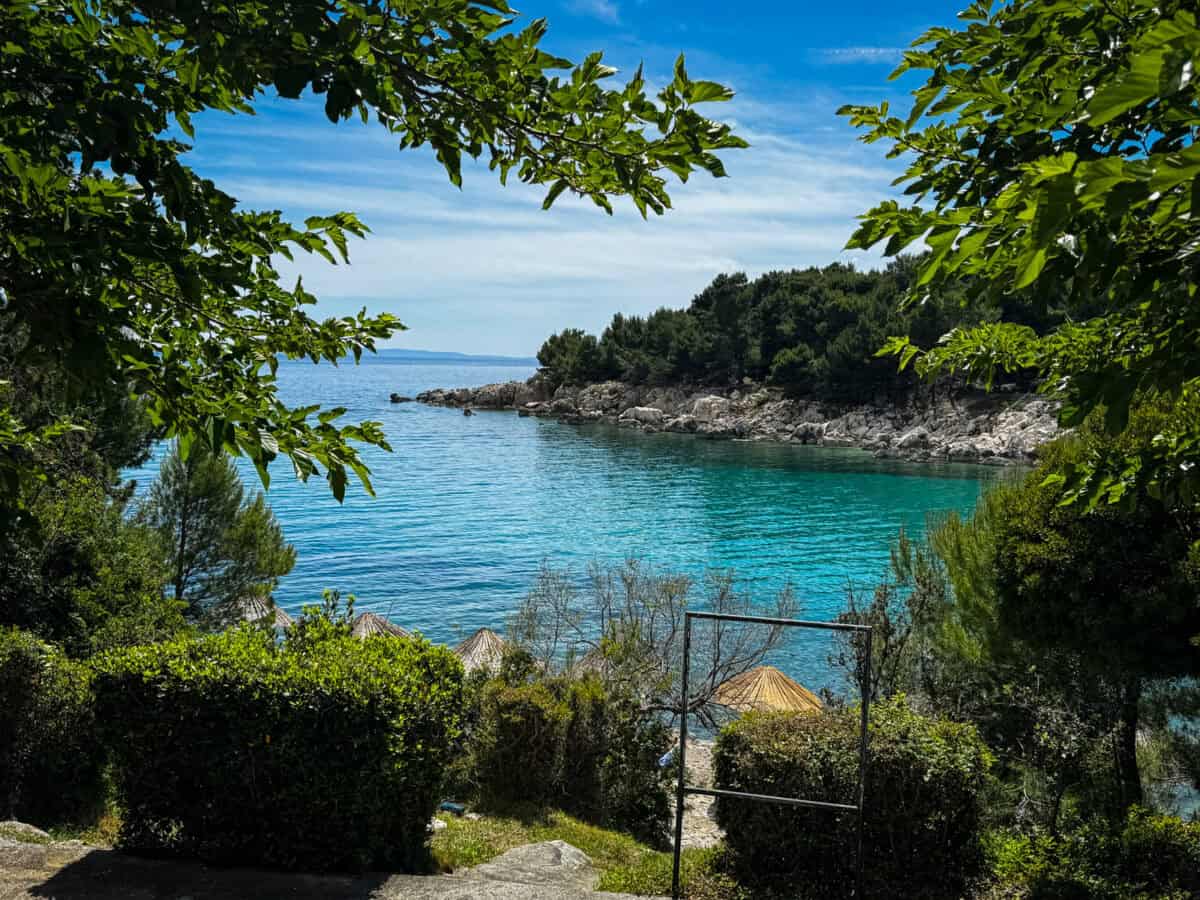
Croatia’s beaches are unlike anything you will find in the Caribbean or even most of the Mediterranean. Most are pebbly or rocky rather than sandy, which surprises a lot of first-time visitors. The water, however, is an almost unreal shade of turquoise blue and incredibly clear.
Water shoes are a smart investment if you plan to spend time on the beaches—your feet will thank you. The good news is that the lack of sand means the water stays cleaner and clearer than most beach destinations.
10. Croatia Has Over 1,000 Islands (Here’s How to Choose)
With over 1,000 islands, islets, and reefs along the Adriatic coast, deciding where to go can feel overwhelming. The most popular—Hvar, Korčula, and Brač—are beautiful but busy in peak season. If a quieter experience is more your style, consider Rab Island, known as the Happy Island of Croatia for its friendly locals, stunning beaches, and relaxed pace.
Chris and I chose Rab, the Happy Island, thanks to a tip from one of Chris’ Croatian coworkers who spent his summers there as a kid. It turned out to be one of our favorite stops of the entire trip. The best approach is to pick one or two islands and slow down rather than trying to island hop your way through all of them in a week.
11. Don’t Skip the National Parks

Croatia has eight national parks and they are worth building your itinerary around. Plitvice Lakes National Park is the crown jewel—a UNESCO World Heritage Site featuring a series of terraced lakes and waterfalls connected by wooden boardwalks. Yes, it is crowded. Go anyway.
The color of the water is an almost impossible shade of turquoise blue that no photo truly does justice. Chris and I were completely blown away. Buy your tickets online in advance as they sell out, especially in peak season. If you have time, Krka National Park is another stunning option with waterfalls you can actually swim near.
12. The Food Scene is Incredible—Know Before You Eat
Croatian cuisine is heavily influenced by its Mediterranean neighbors—think fresh seafood, grilled meats, homemade pasta, olive oil, and locally grown produce. Along the coast, seafood is the star of the show. Grilled fish, black risotto made with squid ink, and seafood pasta are staples you will find on nearly every menu. Inland, the food shifts toward heartier fare—roasted meats, fresh truffles in Istria, and sheep’s milk cheese from the islands.
A few things worth knowing: look for a konoba, which is a traditional family-run tavern, for the most authentic and affordable meals. Avoid restaurants right on the main tourist squares—prices are higher and quality is often lower. And whatever you do, do not skip the local olive oil.
13. Tipping Culture in Croatia
Tipping in Croatia is appreciated but not obligatory. As a general rule, rounding up the bill or leaving around 10% in restaurants is customary if you received good service. Always tip in cash when possible, as many card machines do not include a tipping option. Tour guides, boat skippers, and hotel staff also appreciate a few euros for exceptional service. One thing to check before tipping—some restaurants in heavily touristed areas include a service charge in the bill, so give it a quick look before you add more.
14. What to Wear (& What Not to Wear Off the Beach)
Croatia is a relaxed destination but there are a few dress code rules worth knowing before you pack. Beachwear is perfectly fine on the sand and at beach bars, but wearing a swimsuit into town, a restaurant, or a church is a no. Some coastal cities including Dubrovnik have actually passed laws prohibiting swimwear outside of designated beach areas—and yes, they do enforce it with fines.
When visiting churches or religious sites, dress modestly and cover your shoulders and knees. Beyond that, Croatians tend to dress smartly and take pride in their appearance, so leave the sloppy tourist look at home. Comfortable walking shoes are a must—those cobblestone streets are beautiful but unforgiving. Not sure what to pack? Grab my free Croatia Packing List and you will be ready for anything.
15. Is Croatia Safe?

Croatia is generally considered one of the safer destinations in Europe, making it a great choice for first-time international travelers and solo travelers alike. Violent crime is rare and locals are typically welcoming and helpful. That said, common sense still applies—watch your belongings in crowded tourist areas, especially in peak season when pickpocketing can occur.
Chris and I never felt unsafe during our entire trip, whether we were wandering small coastal towns or navigating busy ferry terminals. As with anywhere you travel, situational awareness goes a long way.
Travel Safety Tips
Traveling smart is just as important as traveling light. No matter where your adventures take you, these simple safety habits can make all the difference.
- Keep your hand on your valuables in crowded areas.
- Wear a crossbody bag for cash, your phone, and essentials.
- Don’t keep wallets or phones in exterior bag pockets.
- Carry only enough cash for the day.
- Use Apple AirTags on your important bags and luggage.
- Disperse credit cards and cash between travel companions.
- Keep one credit card separate—store it in the hotel safe.
- Dial 112 for emergencies anywhere in the EU.
- If something doesn’t feel right, trust your instincts and leave.
16. The Crowds Are Real

Croatia has exploded in popularity over the last decade and the crowds in peak season are no joke—especially in Dubrovnik, Split, and Hvar. The good news is that with a little strategy, you can sidestep the worst of it. Visiting in shoulder season is the single best thing you can do.
If you are traveling in July or August, arrive at popular sites early in the morning before tour buses unload, and consider basing yourself in smaller towns rather than the most touristed cities. Chris and I deliberately chose Rovinj and Rab Island over the more popular destinations and had an entirely different—and far more relaxed—experience as a result.
17. English is Widely Spoken
One of the pleasant surprises when traveling in Croatia is how widely English is spoken, particularly in tourist areas, hotels, restaurants, and shops. Younger Croatians especially tend to speak English more readily. In more remote villages and smaller towns off the beaten path, you may encounter a language barrier, but a smile, a little patience, and Google Translate will get you far. Chris and I never had a significant communication issue during our entire trip.
18. Learn a Few Croatian Words Anyway
As with anywhere in the world that you travel, Croatians genuinely appreciate when visitors make an effort to speak a few words of the local language. You don’t need to be fluent, even a simple greeting goes a long way. Here are a few basics to get you started:
- Excuse me – Oprostite (oh-PROH-stee-teh)
- Hello – Bok (BOKE)
- Good Morning – Dobro jutro (DOH-broh YOO-troh)
- Good Day – Dobar dan (DOH-bar dahn)
- Goodbye – Doviđenja (doh-vee-JEN-ya)
- Please – Molim (MOH-leem)
- Thank you – Hvala (HVAH-lah)
- You’re Welcome – Nema na čemu (NEH-ma na CHEH-moo)
- Yes – Da (DAH)
- No – Ne (NEH)
19. Croatian City Names Can Be Tricky
And like that list, you may need a pronunciation guide to some of the cities you visit! Croatian is a beautiful language but it can be a tongue twister for English speakers. A few of the most commonly mispronounced destinations:
- Dubrovnik – Doo-BROV-nik
- Hvar – HVAR (sounds like “var” with a soft h—not “H-var”)
- Plitvice – PLEET-vee-tseh
- Šibenik – SHEE-beh-nik (that š makes a “sh” sound)
- Rovinj – Roh-VEEN (the j is silent)
- Korčula – KOR-choo-lah
- Zadar – ZAH-dar
20. Delightful Croatian Sayings & Curses
The Croatian language is full of colorful expressions that make absolutely no sense when translated literally—and that is exactly what makes them so entertaining. Croatians are known for their humor, directness, and creativity with language. Here are a few favorites that will make you smile:
- “Mačji kašalj” – Translation: “A cat’s cough.” Meaning: a piece of cake, something very easy. Because apparently cats cough with great ease.
- “Od muhe radiš slona” – Translation: “You are making an elephant out of a fly.” Meaning: you are making a mountain out of a molehill. Some things are universal.
- “Pao mi sjekira u med” – Translation: “My axe fell into honey.” Meaning: something unexpectedly wonderful just happened. Chris and I felt this way approximately every day in Croatia.
- “Fali ti daska u glavi” – Translation: “You are missing a board in your head.” Meaning: you are not thinking straight. Use wisely and only on people you really like.
- “Žuri polako” – Translation: “Hurry slowly.” Meaning: don’t rush blindly into things. Possibly the best life advice ever given, in any language.
And a fair warning—Croatians speak quickly. By the time you figure out what was just said, if you can, you may have already been insulted and smiled right through it.
21. Dial 112 for Emergencies
112 is the European emergency number—the equivalent of 911 in the United States. It is free to dial from any fixed or mobile phone anywhere in the European Union and connects you to police, fire, or medical services. Save it in your phone before you leave home. Hopefully you’ll never need it.
22. Purchase Travel Insurance
Travel insurance is one of those things you hope you never need and will be incredibly grateful for if you do. Anything can happen when you travel—delayed flights, lost luggage, a child testing positive for Covid just before a cruise to Norway (ahem), or an injury on a hike. Croatia is a safe destination but that does not mean things can’t go wrong. Do yourself a favor and purchase travel insurance before you leave home. It is a small price to pay for serious peace of mind.
23. Don’t Be An Obnoxious Tourist
It is perfectly fine to look like a tourist—just don’t act like one. Croatians are warm and welcoming people who take pride in their country, their culture, and their towns. Speak at a reasonable volume, be patient, learn a greeting or two, and treat the places you visit with respect. The traveler who shows up with curiosity and humility will always have a better experience than the one demanding things be done the American way. Croatia will charm you completely—meet it halfway.
24. Don’t Overstuff Your Itinerary

Croatia is not a country to rush through. The magic is in the slow moments—a long lunch at a konoba, Roman ruins, an afternoon swim in a turquoise cove, wandering the cobblestone streets of a coastal town with nowhere to be. If you try to see everything in one trip, you will end up exhausted and underwhelmed. Pick a few destinations, give yourself time to settle in, and let Croatia surprise you. Chris and I deliberately kept our Croatia itinerary loose and it made all the difference.
25. Go Beyond the Tourist Trail
Dubrovnik and Split will always have their place on the Croatia map, but the country’s most memorable experiences are often found where the tour buses don’t go. Rovinj will charm you with its Venetian-style streets and Adriatic sunsets. Rab Island will win you over with its friendly locals and impossibly clear water. Plitvice Lakes will leave you speechless despite the crowds.
Croatia reward the curious traveler who is willing to explore beyond the major tourist cities. With over 1,000 islands, countless coastal towns, and national parks to explore, there are plenty of places to discover. Do yourself a favor and add at least one off-the-beaten-path destination to your Croatia itinerary. You will not regret it.
Best Places to Go in Croatia
Croatia has no shortage of incredible destinations. Once you have checked off the major attractions, do yourself a favor and venture off the beaten path to places like Rovinj and Rab Island
Dubrovnik — The walled city on the Adriatic is iconic for good reason. Book early and go in shoulder season.
Hvar — Croatia’s sunniest island is known for its lavender fields, crystal clear water, and vibrant nightlife.
Plitvice Lakes National Park — Sixteen terraced lakes connected by stunning waterfalls make this one of Croatia’s most visited—and most breathtaking—destinations. Related Post: Exploring Plitvice Lakes National Park
Rab Island — Known as the Happy Island of Croatia, Rab offers turquoise coves, sandy beaches, and a laid-back vibe that is nearly impossible to leave. Related Post: Things to Do on Rab Island
Rovinj — This colorful Venetian-style fishing village on the Istrian peninsula is one of the most charming towns in all of Europe. Related Post: Explore Rovinj, Croatia
Split — A living, breathing ancient city built around the walls of Diocletian’s Palace.
Zadar — A compact coastal city with Roman ruins, a stunning waterfront, and the world’s only sea organ. Chris and I stopped here for one night and wished we had stayed longer.
Zagreb — Croatia’s capital is an underrated city break with a charming old town, great food, and excellent museums.
Best Beaches in Croatia

Most of the beaches in Croatia are rocky or pebbly rather than sandy. The water more than makes up for that with an almost unreal shade of turquoise, and some of the best ones are only accessible by boat. A few names worth researching:
- Zlatni Rat on Brač Island
- Stiniva Cove on Vis
- Saharun Beach on Dugi Otok
- Rajska Plaža on Rab Island
- Copacabana Beach in Dubrovnik
What to Pack for Croatia
Packing smart for Croatia means being ready for sun-soaked beaches, national parks, and everything in between. The good news is that Croatia is a casual destination—you do not need to overpack. A few key items will make all the difference.
Clothing & Gear
Croatia’s warm Mediterranean climate calls for lightweight, breathable clothing—but don’t forget a light layer for cooler evenings and a rain jacket if you are visiting in shoulder season. Water shoes are non-negotiable for the rocky beaches, and comfortable walking shoes are a must for the cobblestone streets. A crossbody bag will keep your valuables secure in crowded tourist areas.
Camera Equipment
Croatia is incredibly photogenic—from the waterfalls at Plitvice to the colorful streets of Rovinj, you will want a camera that can keep up. Whether you are shooting on your smartphone or a full-frame DSLR, here is a quick breakdown of my favorite travel camera gear.
Best Cameras for Travel
Point & Shoot Cameras — The pocketable PowerShot SX740 HS is a do-it-all compact with 4K video and impressive zoom range. No lens swapping required. For a step up in performance, the Canon PowerShot V1 delivers better image quality and video in a still-compact body.
DSLRs — One of the lightest DSLRs on the market, the Canon Rebel SL3 has a great battery life, a vari-angle touchscreen, and solid image quality in a comfortable grip. Ready to go full-frame? The Canon EOS 6D Mark II (my current camera) delivers professional-level image quality with a fully articulating screen and impressive low-light performance—a favorite among travel photographers who don’t want to make the jump to mirrorless just yet.
Mirrorless Cameras — The Canon EOS R50 is the sweet spot for travel: 24.2MP, 4K video, lightweight, and beginner-friendly without sacrificing quality. Step up to the Canon EOS R8 if you want full-frame performance in a carry-all-day body, or the Canon EOS R7 for serious action and wildlife shooting at 32MP.
Adventure & Underwater Cameras — Built for the moments when your camera needs to keep up with you. The GoPro Hero 13 is waterproof, shockproof, and small enough to clip anywhere—perfect for hiking, rafting, snorkeling, or any activity Chris talks me into!
Phone Camera — Arguably the best camera is the one you always have with you. Today’s smartphone cameras are genuinely impressive, and for social media and quick shots, they’re hard to beat whether you’re shooting with an Apple iPhone, Samsung Galaxy, or Google Pixel.
Check out my Photography Gear on Amazon for more ideas and recommendations.
Croatia Quick Facts
- Official Language: Croatian
- Capital City: Zagreb
- Population: 4 million
- Currency: Euro
- Power Outlet: Type C & F
- Emergency Number: 112
- Drives on the: Right side of the road
Frequently Asked Questions
What side of the road do you drive on in Croatia?
Croatians drive on the right side of the road, just like in the United States. If you are renting a car, you will feel right at home behind the wheel.
Is the water safe to drink in Croatia?
Yes! Tap water is safe to drink throughout Croatia. Skip the bottled water and bring a reusable water bottle instead.
What language do they speak in Croatia?
The official language is Croatian. English is widely spoken in tourist areas, hotels, and restaurants, so communication is rarely an issue for English-speaking travelers.
Is Croatia good for first-time European travelers?
Absolutely. Croatia is safe, English-friendly, easy to navigate, and offers a mix of history, nature, beaches, and culture that appeals to almost every type of traveler. It is a fantastic first stop in Europe.
What currency does Croatia use?
Croatia adopted the Euro in January 2023, making it easy for travelers coming from other European destinations.
Is Croatia expensive to visit?
Croatia is more affordable than Western European destinations like France or Italy but has become pricier in recent years due to its popularity. Shoulder season travel and staying in smaller towns will stretch your budget significantly.
How long should I spend in Croatia?
A minimum of 7 to 10 days for a Croatia itinerary gives you enough time to explore a few destinations without feeling rushed. Two weeks is ideal if you want to combine coastal towns, islands, and national parks.
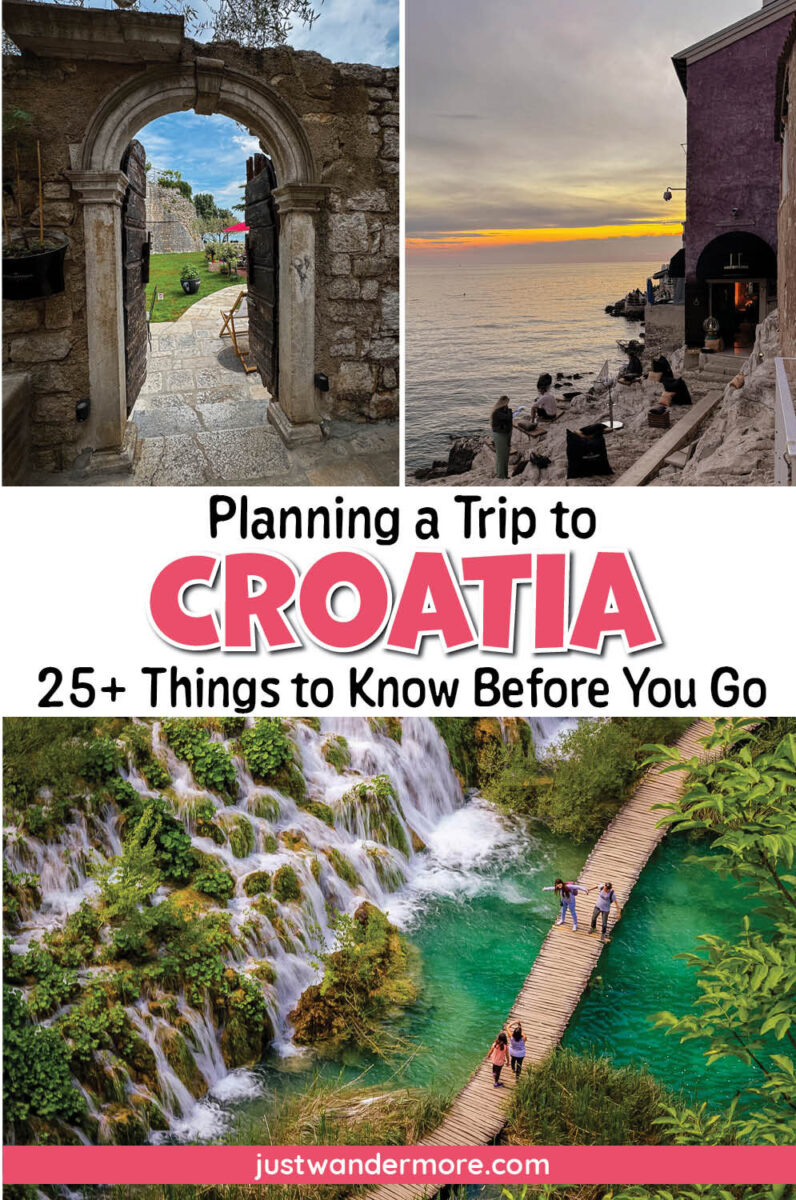
Love this Post? Pin it!
Warning: Croatia is Highly Addictive
One trip to Croatia and you will already be plotting your return to more of the best beaches in Croatia, to coastal towns that deserve more time, or tourist spots you just need to see. Croatia is that kind of place.
And if you are thinking about extending your adventure beyond Croatia’s borders, the bus ride from Croatia to Ljubljana is one of the easiest and most scenic transitions you will ever make. Slovenia is waiting—and it is just as spectacular. Plus, they have hilarious colorful expressions too!
You may also love…
- Discover the Charm: 20 Cool Things to Do In Ljubljana, Slovenia
- 19 Tips for an Epic Adventure in Vintgar Gorge, Slovenia
- 17 Most Beautiful Swiss Villages Plus Surprising Adventures
- 40 Most Romantic Things to Do in Europe
- 15 Most Beautiful Places in Italy for Photographers
- Apple AirTags: The Tiny Travel Hack That Outsmarts Lost Luggage
This was an excellent read and I learned a lot! Even my 8 year old read it with me!
I would love to go back to Croatia and do a nice road trip across the country!
Croatia seems to offer the perfect mix of history, nature, beaches, and culture. The recommendations here make me even more excited to visit. Saving this guide for future trip planning!
Great tips for Croatia! I can’t wait to go back! Love your photos!