
Here’s the thing about Italy: it rewards the traveler who shows up prepared. Planning a trip to Italy without doing your homework is a little like showing up to a five-course Italian dinner without an appetite—technically possible, but you’re going to miss out on a lot. From navigating the train system to knowing what to wear inside a cathedral, these essential Italy travel tips will make sure you spend less time scrambling and more time soaking it all in.
Italy has a way of stopping you in your tracks. Not metaphorically—literally. My husband, Chris, has learned that whenever he hears a quick intake of breath from my direction, it’s time to stop walking and wait. It happens constantly in Italy. Around every corner, down every cobblestone alley, across every sun-drenched piazza—something is always demanding to be photographed, savored, or simply stared at.
23 Tips for Planning a Trip to Italy: Start Here
This page may contain affiliate links. If you choose to click on one of the links and then make a purchase, Just Wander More may earn a small commission. The commission is paid by the company at no extra expense to you. Read the full disclosure here.

There is no such thing as a bad trip to Italy—but there is such a thing as an unprepared one. The good news? A little preparation goes a long way. Whether you’re mapping out a two-week tour or a focused week in Tuscany, these 21 tips for planning a trip to Italy will help you navigate everything from train tickets to tipping etiquette like a seasoned traveler. And if you’re still in the early stages of trip planning, start with How to Plan an International Trip the Smart, Simple Way before diving in.
Before You Leave Home
The best Italy trips start long before you board the plane. A little advance planning saves you from scrambling at the airport, missing out on must-see attractions, or getting caught off guard by entry requirements that didn’t exist the last time someone you know visited.
1. Check Your Passport Expiration Date

This one sounds obvious until it isn’t. Two of my friends were denied boarding because their passports were set to expire within six months of their departure date. Italy requires your passport to be valid for the duration of your stay, and most airlines and border agents enforce the six-month rule hard. Check it now—not the week before you fly.
While you are at it, enroll in the Smart Traveler Enrollment Program (STEP). It is a free service from the US State Department that registers your trip with the nearest US embassy—invaluable if there is ever an emergency abroad.
2. Know the Entry Requirements (EES & ETIAS)
Entry into Italy has gone digital. As of April 2026, the Entry/Exit System (EES) is fully operational, meaning non-EU travelers register biometrics at automated kiosks on arrival—budget an extra 30 minutes (or more) at the airport for your first trip. ETIAS, a mandatory online pre-authorization (~€7, valid three years), is launching late 2026. It’s not a visa, but you will need it before departure once it’s live.
3. Purchase Travel Insurance
Italy is generally safe and the healthcare system is solid, but things happen—delayed flights, lost luggage, a twisted ankle on cobblestones. Travel insurance is one of those things you’ll never regret buying and will absolutely regret skipping.
4. Book Major Attractions in Advance

The days of showing up and buying a ticket at the door are largely over in Italy. The Colosseum, the Vatican, the Uffizi, the Last Supper—all require advance booking, often weeks out during peak season. The Trevi Fountain now charges a €2 entry fee and recommends buying tickets online.
When my family visited the Vatican Museum in Rome, we hadn’t locked in our dates and forgot to circle back and purchase tickets. That little faux pas cost us over an hour waiting in line. Don’t be us.
Getting Around Italy

Italy’s transportation system is surprisingly efficient once you understand how it works. Trains connect major cities quickly and affordably, buses handle the smaller towns, and your own two feet will carry you through most historic centers. I wish the US had such amazing train infrastructure in place! The key is knowing the rules before you ride.
5. Take the Train Whenever Possible
Italy’s high-speed train network is one of the best ways to move between cities. Rome to Florence takes about 90 minutes on the Frecciarossa. Florence to Venice is under two hours. You arrive in the city center, no ZTL zones to worry about, and no white-knuckling it through Italian traffic. Book tickets in advance for the best prices.

6. Validate Your Train Ticket Before You Board
This catches more travelers off guard than almost anything else in Italy. If you have a paper ticket that hasn’t been pre-validated online, you must stamp it at the yellow validation machines on the platform before boarding. Skip that step and you risk a fine even with a perfectly valid ticket in hand. That’s exactly what we did when we took the train from Milan to Cinque Terre.
When Chris and I were in Florence with our youngest daughter Kristen, we watched two boys on our bus get ticketed by a patrolman for exactly this kind of shortcut thinking. They spent the rest of the ride smack talking him. Karma, as it turns out, is very punctual in Italy.
7. What to Know Before Renting a Car
The convenience of having a car to explore the Italian countryside is awesome—winding through the dreamy towns of Tuscany or cruising the Amalfi Coast on your own schedule is hard to beat. If you are just planning a day trip, however, take the train if it is available. That said, renting a car in Italy comes with a few catches. Most rentals are manual transmission, so request automatic in advance. ZTL zones (restricted traffic areas in city centers) are heavily camera-enforced and the fines follow you home. An International Driving Permit is highly recommended and available through AAA before you leave.
Most of Italy is easier by train, but there are exceptions. The Dolomites is the big one—trailheads, mountain passes, and the smaller villages are effectively unreachable without a car, and no amount of bus timetable will fix it.
Related Post: Dolomites Itinerary: Planning an Italian Alps Trip
8. Expect to Walk—A Lot
Italy’s most beautiful places were not designed with cars in mind. Cobblestone streets, staircase-riddled hill towns, and pedestrian-only historic centers mean your feet are your primary mode of transport. Pack comfortable, broken-in walking shoes and save the cute sandals for dinner.
Money Matters

Italy is not a particularly cheap destination, but it is manageable if you know what to expect. A few simple money habits will save you from surprise charges, declined cards, and that awkward moment when you’re digging through your wallet for exact change at a tiny café in the middle of nowhere.
9. Carry Cash for Small Purchases
Cards are widely accepted in cities like Rome, Florence, and Venice, but smaller towns, markets, and family-run trattorias often prefer cash. Chris and I always recommend using an ATM associated with a bank rather than a standalone machine—better rates, lower fees, and more security. Never exchange currency at the airport where rates are notoriously bad. Having €50–100 on hand at all times is a smart habit.
10. Use Credit Cards
When it comes to credit cards in Italy, Visa and Mastercard are your best friends. They are accepted nearly everywhere and when paired with a card that has zero foreign transaction fees, you will keep more euros in your pocket for the things that actually matter—like that leather bag in Florence you definitely did not plan to buy.

11. Always Carry Coins for Public Restrooms
Public restrooms in Italy are not usually free. Attendants at train stations and tourist sites typically charge €1–2 for entry and they will not make change. Keep a small stash of €1 and €2 coins on you at all times.
Pro tip: if you are stopping for a sit-down lunch, use the restaurant’s restroom before you leave—it should be free and considerably nicer.
12. Understand the Coperto
Don’t be alarmed when your restaurant bill includes a small per-person charge you didn’t order. The “coperto” is a standard Italian cover charge of €1–3 per person that covers bread and table service. It is not a scam—it is just how Italian restaurants work. Tipping beyond that is appreciated but not expected the way it is in the US.
Culture & Etiquette

Italy has a rich culture and a few unwritten rules that every traveler should know before arrival. None of them are difficult to follow, but ignoring them can get you turned away at a church door, overcharged at a restaurant, or simply labeled as that tourist. A little cultural awareness goes a long way.
13. Dress Appropriately for Churches
Italy’s churches are active places of worship, not just photo opportunities, and they enforce dress codes accordingly. Shoulders and knees must be covered to enter—no exceptions at the Vatican, the Duomo, or most other major churches. Pack a lightweight scarf or sarong in your day bag to throw on when needed. It takes up almost no space and saves you from being turned away at the door.
14. Italian Words to Know
Italians genuinely appreciate when visitors make even a small effort to speak the language.
- Buongiorno — Good morning/Good day
- Buonasera — Good evening
- Grazie — Thank you
- Prego — You’re welcome
- Per favore — Please
- Scusi — Excuse me
- Dov’è il bagno? — Where is the bathroom?
- Il conto, per favore — The bill, please
- Parla inglese? — Do you speak English?
- Quanto costa? — How much does it cost?
15. Don’t Rush Dinner
In Italy, dinner is not a quick transaction—it is an experience. Italians linger over meals, enjoy conversation between courses, and consider a two-hour dinner completely normal. Your server will not bring the bill until you ask for it, which is a courtesy, not neglect. Embrace the pace, put your phone down, and enjoy the moment. When in Rome—and Florence, and Cinque Terre—do as the Italians do. PS. You absolutely need to try gnocchi and gelato too.
16. Tipping is Not What You Think
Tipping in Italy is not the same obligation it is in the US. Most restaurants include a “coperto”, and rounding up or leaving a euro or two for exceptional service is perfectly appropriate. You will not offend anyone by not leaving a 20% tip—in fact, leaving one might just confuse them.
Italy Travel Essentials

Packing for Italy is less about bringing everything and more about bringing the right things. A few well-chosen items will make your days significantly more comfortable and save you from scrambling to find something you should have tucked in your bag before you left home. And if you do forget something? Not to worry—you can easily pick up most essentials once you arrive.
17. Bring the Right Shoes
This cannot be overstated. Italy’s cobblestone streets are beautiful but absolutely brutal on the wrong footwear. As someone who suffers from foot problems, I highly recommend finding a pair of shoes that are comfortable and well broken in before your trip—your feet will thank you after a long day of exploring.
If you are planning to hike in Cinque Terre, closed-toe shoes with non-slip soles are now required on the trails—violators can be fined or turned away entirely. Save the cute sandals for a leisurely dinner.
18. Pack a Crossbody Bag
A crossbody bag worn in front with the zipper facing inward is your best defense against pickpockets in crowded tourist areas. Leave the open tote and the backpack worn on your back for less busy destinations. Italy’s most popular sites—the Colosseum, the Trevi Fountain, busy train stations—are prime pickpocket territory.
Related Post: 17 Features of The Best Crossbody Bag for Travel that I LOVE!
19. Bring a Power Adapter
Italy uses Type L plugs—three round pins in a row—which are unique to Italy. Type C plugs also work, but either way, your US devices will need an adapter. Grab one before you leave home rather than hunting for one in an Italian airport shop at three times the price.
20. Plan a Strategic Italy Packing List
Forget the matchy-matchy outfits and the “just in case” extras that eat up your suitcase space. Packing for Italy is all about strategic outfit planning—pieces that pull double duty from a morning at the Uffizi to an evening stroll along the Arno. A well-thought-out and coordinated packing list is your best friend. Grab my free Italy Travel Planning Bundle below and take the guesswork out of what to bring.
Staying Safe & Using Common Sense
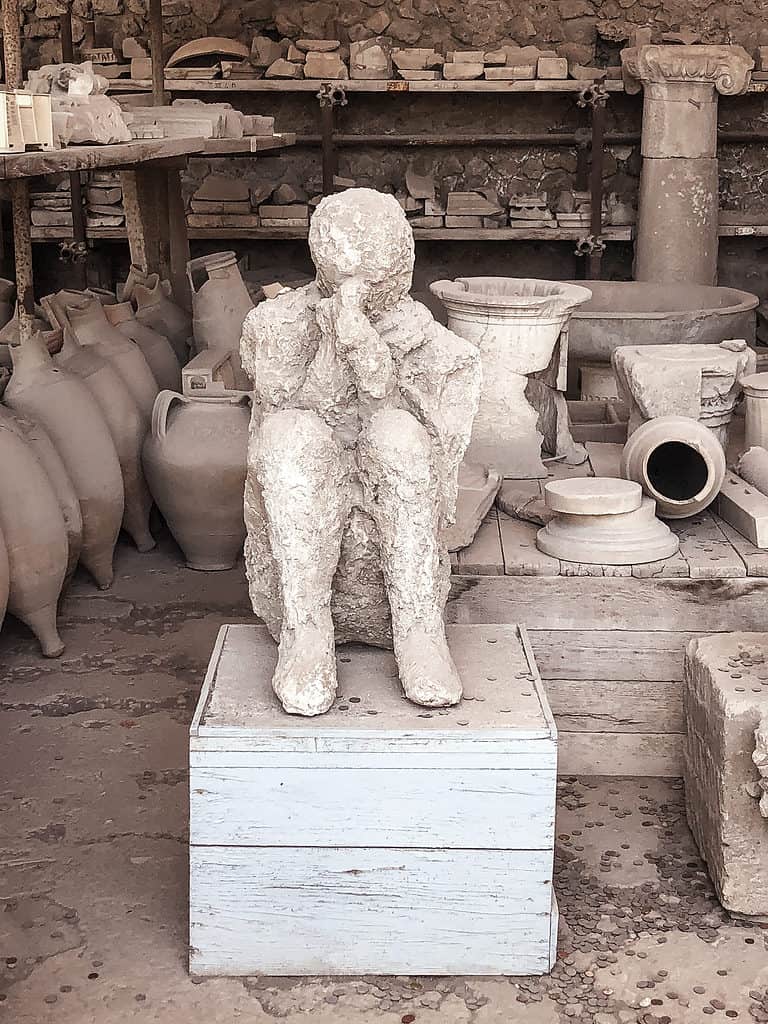
Common sense is required anywhere you travel in the world—if something doesn’t feel right, don’t do it or leave. A little street smarts and situational awareness will go a long way toward keeping your belongings—and your trip—intact.
21. Watch Out for Pickpockets
Pickpocketing is the number one safety concern for tourists in Italy, particularly in Rome, Florence, and Naples. A friend had her phone stolen right out of her crossbody bag simply because she hadn’t zipped it up.
Pickpocket Prevention Tips
- Use a bag that allows you to keep your hand on it in busy areas.
- Keep zippers closed at all times.
- If you are traveling with someone, keep an eye on each other’s belongings.
- Wear your crossbody bag in front with the zipper facing inward.
- Leave expensive jewelry and watches at home.
- Keep a digital copy of your passport and important documents in your email, password program, or cloud storage.
- Distribute your cash and cards across different bags, pockets or people in your group.
- Be extra vigilant when someone bumps into you or creates any kind of distraction.
- Stay especially alert in crowded tourist sites, busy train stations, and on public transportation.
22. Know the Common Scams
Italy’s most common tourist scams are easy to avoid once you know what to look for. Anyone who approaches you unsolicited with a “free” bracelet, rose, or gift is not being generous—they will demand money once contact is made. Fake petitions are another common distraction tactic used while an accomplice picks your pocket. The rule is simple: keep walking and don’t engage.
23. Don’t Get in Unlicensed Taxis
Official taxis in Italy are white and metered. Unlicensed drivers who approach you at airports or train stations can charge whatever they want—sometimes over €100 for a simple airport transfer. Always use official taxi stands or book a reputable car service in advance. Buses are almost always a better and cheaper option from the airport.
As for Uber and Lyft—don’t count on them the way you would at home. Lyft does not operate in Italy at all. Uber is available in select major cities like Rome and Milan, but primarily as Uber Black—a licensed chauffeur service that is significantly more expensive than a standard taxi. For reliable app-based rides, download Free Now, which connects you to licensed local taxis in Rome, Milan, Naples, and several other cities. In Florence, AppTaxi and TaxiMove are your best bets.
Italy Travel Must-Haves
Travel Adapter: Not all international countries use the same adapters. Be sure to check before you go. Purchase one here.
Travel Backpack: Chris and I both like our North Face Recon Backpacks. They have a standard version and a women’s version.
Crossbody Anti-Theft Bag: Pickpocketing is a real concern in busy Italian cities. A secure crossbody bag keeps your belongings close without the bulk. I love the Travelon Anti-theft Messenger Bag.
Packing Cubes: A game changer for staying organized, especially when you’re moving between cities. Shop packing cubes here.
Portable Power Bank: Long days of sightseeing, navigation, and photography will drain your phone faster than you think. Don’t get caught without one. Shop power banks here.
Walking Shoes: You will cover a lot of ground on cobblestone streets. Comfortable, broken-in shoes are non-negotiable. Shop walking shoes here.
Favorite Camera: My go-to DSLR is the Canon 6D Mark II and I have zero complaints. If you’re ready to go mirrorless, the Canon EOS R6 Mark III is the natural upgrade—and your existing Canon EF lenses work on it with an adapter. New to photography? Start with the Canon EOS R50.
Get a Travel Credit Card: We often travel worldwide for free using travel rewards. The Chase Sapphire Reserve is one of our favorite travel credit cards.
Favorite Electronics: We are a family of Apple users—watches, phones, tablets, AirPods, and Apple AirTags for security. Don’t forget the cables and chargers too. Check out our electronics suggestions here.
Italy Quick Facts
- Official Language: Italian
- Capital City: Rome
- Population: 58.9 million
- Currency: Euro (€ or EUR)
- Power Outlet: Type L (3 round prongs) is standard and Type C (2 round pins)
- Emergency Number: 112
- Drive on the: Right side of the Road

Frequently Asked Questions
What is the best time to visit Italy?
The sweet spot for visiting Italy is late spring (April through June) and early fall (September through October). The weather is pleasant, the crowds are manageable, and prices are more reasonable than peak summer. July and August are scorching hot and extremely crowded, particularly in coastal areas. Winter is quiet and affordable but some smaller towns and attractions have limited hours or closures.
What is the currency in Italy?
Italy uses the Euro (€). Credit and debit cards are widely accepted in cities, but it is always smart to carry some cash for smaller towns, markets, and public restrooms. Withdraw euros from a bank-affiliated ATM for the best rates and avoid exchanging currency at the airport.
Is it safe to drink the tap water in Italy?
Yes. Tap water is safe to drink throughout Italy and meets high European standards. Rome is particularly well known for its hundreds of free public drinking fountains called nasoni. Bring a reusable water bottle and refill as you go—it will save you money and plastic.
Do I need travel insurance for Italy?
Yes, and this is non-negotiable. Travel insurance protects you against medical emergencies, trip cancellations, lost luggage, and flight delays. Italy’s public hospitals provide emergency care to all visitors, but having insurance means you have options and peace of mind if something goes sideways.
How many days do you need in Italy?
A minimum of ten days gives you enough time to hit the highlights without feeling completely rushed. Two weeks is ideal if you want to explore beyond the major cities. Italy rewards slow travel—the more time you give yourself, the more you will discover.
What is the best way to get around Italy?
Trains are hands down the best way to travel between major cities. Italy’s high-speed rail network is efficient, affordable, and drops you right in the city center. For the countryside, coastal regions, and smaller towns not served by trains, renting a car gives you the most flexibility. In cities, walking is your best friend.
Is Italy worth visiting beyond Rome, Florence, and Venice?
Absolutely—and arguably the best Italy experiences happen off the well-worn tourist trail. Cinque Terre’s colorful cliff top villages, the dramatic landscapes of the Dolomites, the baroque architecture of Puglia, the volcanic beaches of Sicily, and the elegance of Lake Como are just a few reasons to look beyond the big three. Italy has twenty regions, each with its own food, dialect, and character. Do yourself a favor and explore at least one lesser-known corner on every trip.
Love this Post? Pin it!

Stop Reading. Start Packing. Italy is Waiting.
Italy is one of those places that is easy to return to again and again. The more prepared you are before you go, the more you can simply show up and let it work its magic. Some of my favorite memories came as Chris and I ventured beyond the big cities and explored smaller towns and villages like Orvieto, Siena, and Cinque Terre. Do yourself a favor and plan to stay at least one night in one of these gems—there is nothing quite like waking up to the old world feel of an Italian hill town with nowhere you have to be.
Before you go, grab my free Italy Travel Planning Bundle to make sure you have everything you need for an unforgettable trip. Now stop reading and go book that trip.
You may also love…
- 11 Best Things to Do for One Day in Milan
- 15 Best Cities and Towns in Northern Italy You Need to Visit
- 15 Most Beautiful Places in Italy for Photographers
- Roman Ruins: 15 Captivating Things To Do in Pompeii if You Love Exploring
- Rome Travel Itinerary: 25 Unforgettable Things to See, Do & Explore
- 25 Dreamy Reasons to Plan a Romantic Couples Beach Getaway
- 40 Charming and Romantic Things to Do in Europe
- 15 Charming Old European Towns to Explore
We love travelling in Italy but it has been far too long since we were back. Some great tips for planning an Italy visit. We do love using trains when we can. So much better than at home in Canada.
Traveling by train around Italy is definitely the best way to go where possible. Taking the train on the train ferry to Sicily is an experience we’d highly recommend.
It’s a good idea to travel to your destination being prepared. Your tips are essential and useful, giving necessary information about Italy. Thanks for sharing!
This was such a great post! I didn’t kmow you could be fined for not having closed toe shoes on hiking paths in Cinque Terre. 🫣