
Two incredible countries. Two totally different vibes. One big decision. Your next adventure is calling.
Trying to choose between Panama vs Costa Rica? Both are packed with beaches, rainforests, wildlife, and adventure—but they deliver completely different experiences once you’re actually on the ground. This guide breaks down costs, safety, beaches, wildlife, and the best adventures in both countries so you can pick the trip that fits your travel style and sense of adventure.
Chris and I have explored both countries, and while we love a good jungle hike and a breezy beach day, each destination surprised us in different ways. From Panama’s laid‑back islands to Costa Rica’s adrenaline‑heavy eco‑parks, I’m sharing what we actually experienced—humidity hair moments included—so you can decide where your next adventure should be.
Panama vs Costa Rica at a Glance
This page may contain affiliate links. If you choose to click on one of the links and then make a purchase, Just Wander More may earn a small commission. The commission is paid by the company at no extra expense to you. Read the full disclosure here.
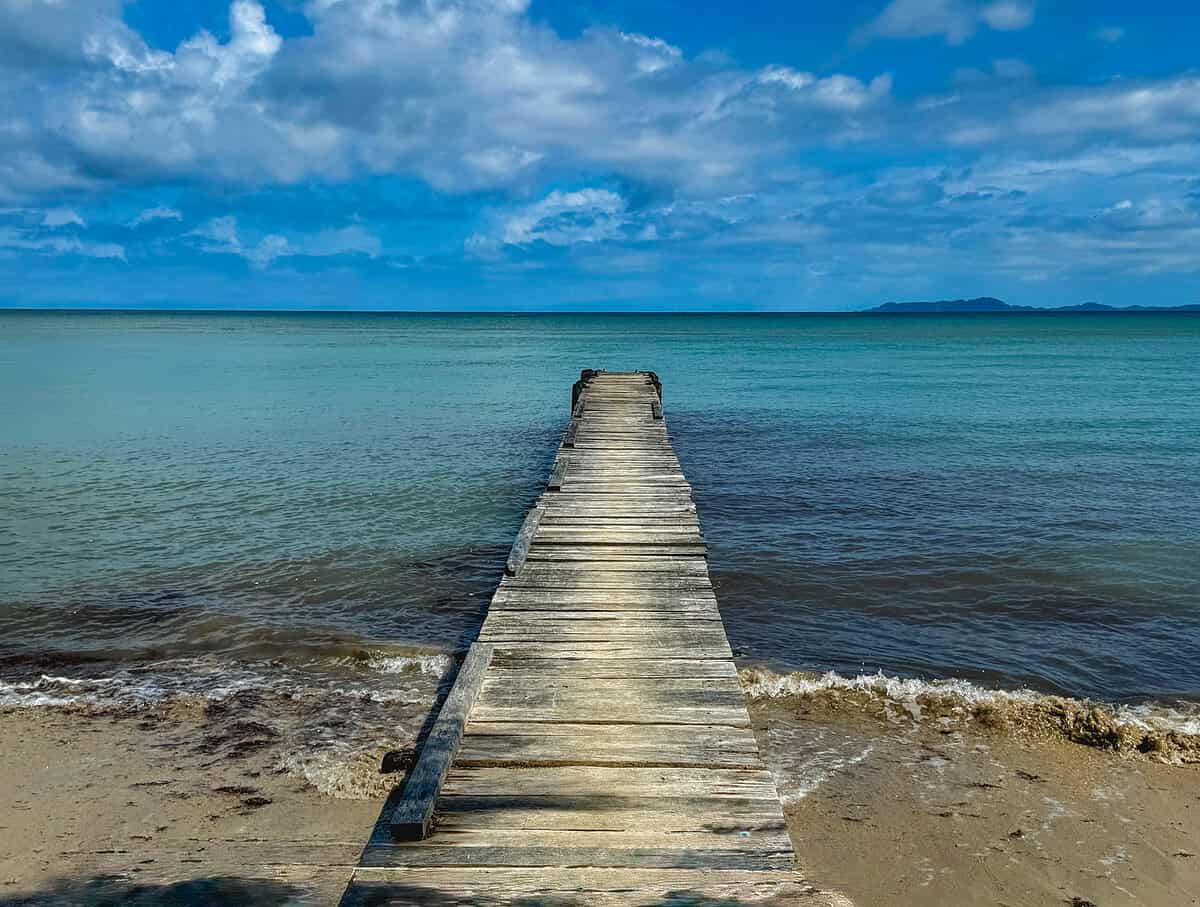
Photo credit: Jolayne Kline/Just Wander More
If you’re trying to decide between Panama vs Costa Rica, you’re not alone—and you’re also not dealing with a simple choice. Both countries pack an impressive amount of adventure, nature, and beauty into a relatively small footprint. But they feel completely different on the ground, attract different types of travelers, and deliver very different experiences depending on what you’re after. Here’s the quick version before we dive deep—and if you’re still in the planning phase, my step-by-step international travel guide has you covered.
Quick Comparison Table
| Category | Costa Rica | Panama |
|---|---|---|
| Cost | More expensive overall | More budget friendly |
| Safety | Generally safe, tourist-friendly | Generally safe, use common sense |
| Beaches | Pacific & Caribbean coasts, stunning | Remote, less crowded, pristine |
| Wildlife | World-class, easily accessible | Excellent but harder to access |
| Adventure Activities | Abundant, well organized | More DIY, fewer tour operators |
| Ease of Travel | Very tourist friendly infrastructure | Less developed outside Panama City |
| Best Time to Visit | December – April (dry season) | December – April (dry season) |
| Language | Spanish (English in tourist areas) | Spanish (English widely spoken) |
| Currency | Costa Rican Colón | US Dollar |
| Best for… | First-timers, eco-adventure seekers | Off-the-beaten-path, beach lovers |
Who Each Destination is Best For
Costa Rica tourism is the go-to for travelers who want structured eco-adventures, world-class wildlife encounters, and adrenaline-pumping activities all wrapped up in one easy-to-navigate package. Panama tourism, on the other hand, is for travelers who want a little more off-the-beaten-path—remote islands, fewer crowds, and a slower, more relaxed pace once you get outside Panama City.
Panama vs Costa Rica for Adventure
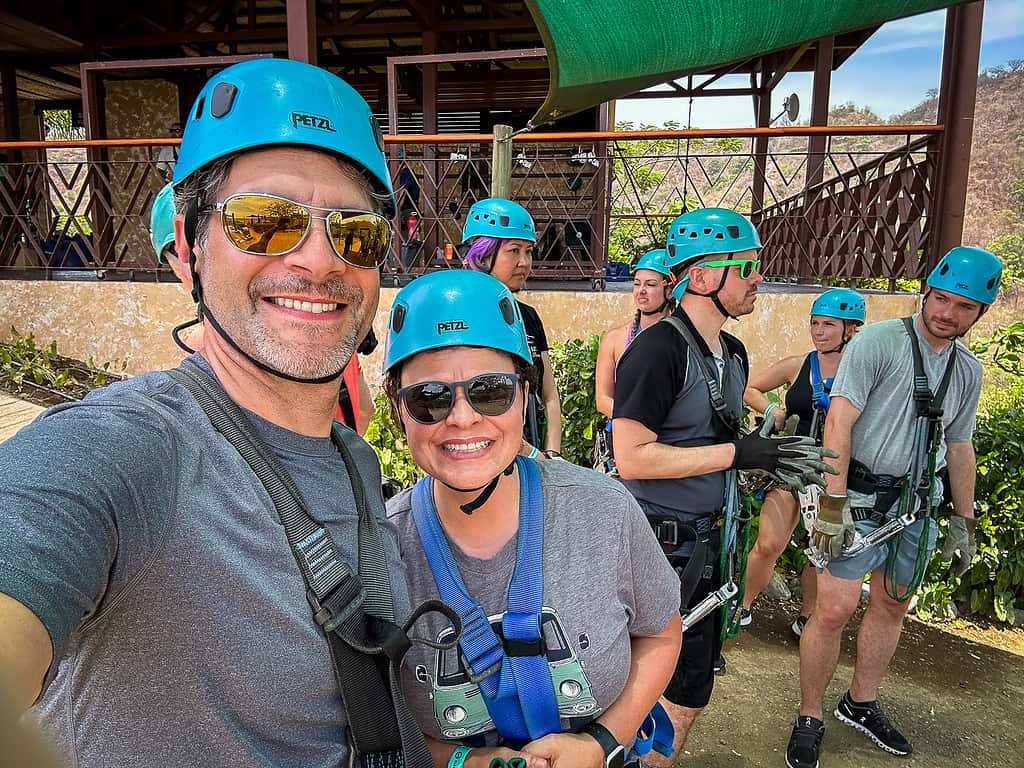
If adventure is your travel language, both Panama and Costa Rica are fluent—but they have very different accents. Costa Rica is polished, well-organized, and practically hands you an itinerary the moment you land. Panama, outside Panama City, is rawer, quieter, and rewards travelers who are willing to venture a little further off the map. We visited Costa Rica first and Panama second, and honestly, each one raised the bar in its own way.
Best Outdoor Activities in Each Country
Costa Rica is an adventure playground—ziplining, white-water rafting, volcano hikes, and jungle tours are all within easy reach and well-operated. We ziplined through the jungle at Diamante Eco-Adventure Park, explore the rainforest, and enjoyed a sunset cruise complete with snorkeling. It did not disappoint. PS. We chose the Marlin Del Rey Catamaran Sunset Tour
Panama leans more toward water-based adventures—snorkeling, dolphin sightings, island hopping, and boat tours dominate once you arrive in Bocas del Toro. Different vibe, equally enjoyable.
Wildlife & Rainforest Experiences
Both countries deliver wildlife moments that will have you reaching for your camera every five minutes. Costa Rica set the bar high for us with Sensoria, Land of Senses (see the Viator tours below)—an incredible eco-park at the foot of Rincón de la Vieja Volcano where the jungle feels completely alive around you.
Panama surprised us with Dolphin Bay near Coral Cay, where dolphins showed up like they had nowhere else to be. Most of our water adventures in Panama were booked right through our resort—no pre-planning required. We signed up for snorkeling at Coral Cay once we arrived, and the crystal-clear Caribbean water did not disappoint. The Dolphin Bay excursion was an unexpected highlight—watching dolphins play in their natural habitat just offshore was one of those moments that makes you put the camera down and just soak it in. Sometimes the best adventures are the ones you didn’t plan.
Beaches, Snorkeling, & Island Adventures
Panama wins on remote, uncrowded beaches—full stop. Snorkeling at Coral Cay near Bocas del Toro was spectacular, with clear water and vibrant marine life that felt completely untouched. Costa Rica’s beaches are beautiful and more accessible, with a sunset cruise departing from Playas del Coco that checked every box for a perfect evening on the water. Two very different beach experiences, both absolutely worth it.
Photography & Epic Views
Both countries are an absolute gift for photographers. Costa Rica serves up dramatic volcano backdrops, lush rainforest canopies, and golden hour beach shots that practically take themselves. Panama counters with turquoise Caribbean waters, weathered docks stretching into the sea, and exciting wildlife encounters. Pack your gear—you will not run out of subjects.
Best Cameras for Travel
Point & Shoot Cameras — The pocketable PowerShot SX740 HS is a do-it-all compact with 4K video and impressive zoom range. No lens swapping required. For a step up in performance, the Canon PowerShot V1 delivers better image quality and video in a still-compact body.
DSLRs — One of the lightest DSLRs on the market, the Canon Rebel SL3 has a great battery life, a vari-angle touchscreen, and solid image quality in a comfortable grip. Ready to go full-frame? The Canon EOS 6D Mark II (my current camera) delivers professional-level image quality with a fully articulating screen and impressive low-light performance—a favorite among travel photographers who don’t want to make the jump to mirrorless just yet.
Mirrorless Cameras — The Canon EOS R50 is the sweet spot for travel: 24.2MP, 4K video, lightweight, and beginner-friendly without sacrificing quality. Step up to the Canon EOS R8 if you want full-frame performance in a carry-all-day body, or the Canon EOS R7 for serious action and wildlife shooting at 32MP.
Adventure & Underwater Cameras — Built for the moments when your camera needs to keep up with you. The GoPro Hero 13 is waterproof, shockproof, and small enough to clip anywhere—perfect for hiking, rafting, snorkeling, or any activity Chris talks me into!
Phone Camera — Arguably the best camera is the one you always have with you. Today’s smartphone cameras are genuinely impressive, and for social media and quick shots, they’re hard to beat whether you’re shooting with an Apple iPhone, Samsung Galaxy, or Google Pixel.
Check out my Photography Gear on Amazon for more ideas and recommendations.
Is Panama Cheaper Than Costa Rica?

Budget is usually one of the first questions travelers ask when comparing destinations—and when it comes to Panama vs Costa Rica, there is a clear winner. Panama is generally the more affordable option, and in some cases significantly so. That said, both countries have ways to stretch your dollar if you know where to look. Let’s break it down.
Average Trip Costs (Flights, Hotels, Food)
Flights to both countries are comparable depending on where you’re departing from, so that’s usually a wash. Where you’ll notice the difference is on the ground. Hotels in Costa Rica tend to run higher, especially in popular tourist areas like Arenal, Monteverde, and Manuel Antonio. Food costs in Costa Rica are also notably higher than Panama—restaurants in tourist areas can feel surprisingly pricey for a Central American destination.
If you plan to rent a car in Costa Rica—and I’d recommend it—budget for one hidden cost most travelers don’t see coming. Costa Rican law requires you to accept the rental company’s minimum Collision Damage Waiver and Third-Party Insurance, regardless of what your credit card covers. Chris and I opted for minimum coverage and it added roughly $150 to our total rental cost for the week. Not a dealbreaker, but definitely something to factor in before you go.
If you are planning a trip to Panama, it offers solid value across the board and uses the US dollar—refreshingly straightforward with zero exchange rate stress. However, if Bocas del Toro is on your list, budget for an additional domestic flight and boat transfers to reach the islands (unless your resort includes boat transfers). It’s worth every penny, but it will definitely add to your budget.
Tours & Activities
Tours and activities are where Costa Rica can really add up. The eco-adventure infrastructure is excellent—but you pay for it. Ziplining, wildlife tours, volcano excursions, and sunset cruises are all well-organized and worth every dollar, but they’re priced accordingly. Booking through Viator in advance can help you lock in better rates and skip the last-minute scramble.
Panama’s tours tend to be more affordable, especially if you’re booking through your resort like we did on Isla Popa. Snorkeling at Coral Cay and the Dolphin Bay excursion were both reasonably priced and easily arranged on arrival—no advance planning required. Viator tours are still popular in Panama if there is an adventure that piques your interest.
Budget‑Friendly Tips for Each Country
Costa Rica
- Book tours and activities through Viator in advance to avoid inflated on-site pricing
- Rent a car to avoid costly private transfers between destinations
- Eat at local sodas—the traditional Costa Rican restaurants—instead of tourist-facing spots
- Travel during shoulder season (May or November) for lower hotel rates
- Look for all-inclusive resorts if you want predictable costs upfront
Panama
- Book flights to Bocas del Toro early—last-minute domestic flights add up quickly
- Be sure to consider the weight restrictions on luggage and purchase extra allowances as needed
- Choose a resort that includes boat transfers and tours in the package
- Use the US dollar advantage—no currency exchange fees or conversion math
- Eat and drink locally outside of tourist areas in Panama City for significant savings
- Book water tours through your resort on arrival rather than pre-booking through third parties
Is Panama Safer Than Costa Rica

Safety is always a top concern when choosing a destination, and the good news is that both Panama and Costa Rica are considered to be generally safe for tourists. That said, “safe” is relative—and a whole lot of common sense goes a long way in either country. Here’s what you need to know before you go.
Safety for Travelers
Both Costa Rica and Panama rank among the safer destinations in Central America for tourists. Costa Rica has a well-established tourism infrastructure, which means well-marked roads, tourist-friendly towns, and plenty of support if something goes wrong. Panama City has areas that are very safe and modern, but like any major city, it pays to be aware of your surroundings—especially outside the tourist zones.
In both countries, the usual common-sense rules apply:
- Don’t flash expensive gear
- Keep an eye on your belongings in crowded areas
- Trust your instincts
Traveling as a couple like Chris and I do adds an extra layer of comfort, but solo travelers visit both countries successfully every day.
Transportation & Getting Around
Getting around Costa Rica is easiest with a rental car—it gives you the freedom to explore at your own pace and access areas that tours don’t always reach. Just factor in that mandatory insurance cost mentioned earlier, and budget for toll roads if you’re driving near San José. Roads in more rural areas can be rough, so a 4WD vehicle is worth considering (highly recommended) depending on your itinerary.
Panama is a different story depending on where you’re headed. Panama City is easy to navigate with ride-share apps and taxis, and the city itself is modern and surprisingly walkable in the right areas. Chris and I took Ubers as needed. Getting to Bocas del Toro requires a domestic flight or a long overland journey plus a boat transfer—which is part of the adventure. Once you’re in Bocas del Toro, water taxis are the primary way to navigate between islands.
Common Scams & Things to Know
Neither Panama nor Costa Rica are particularly notorious for scams, but a few things are worth knowing before you arrive. In Costa Rica, the most common surprise for travelers is the rental car insurance situation—which we’ve already covered—but also watch for unofficial “helpers” at border crossings or tourist areas who offer assistance and then expect payment. Always book tours through reputable operators or Viator to avoid bait-and-switch pricing.
In Panama City, be cautious with unmarked taxis and always agree on a fare before getting in. To save the hassle, try Uber. In more tourist-heavy areas like Bocas del Toro, prices can be inflated for obvious tourists—a little friendly negotiation goes a long way. The good news is that both countries have a strong interest in protecting their tourism reputation, so serious incidents are relatively rare.
The bottom line—stay aware, use common sense, book through reputable sources, and don’t let fear of scams stop you from saying “yes” to the adventure.
Panama vs Costa Rica for First-Timers

If this is your first trip to Central America, both Panama and Costa Rica are solid choices—but they offer very different entry points. Costa Rica is arguably one of the most tourist-friendly destinations in the entire region, with well-developed infrastructure, English widely spoken in tourist areas, and a tourism industry that practically holds your hand from arrival to departure.
Panama is equally welcoming but feels a bit more like you’re discovering something on your own terms, especially once you get outside Panama City. Chris and I felt as though English was spoken by many service professionals in Panama City; in Bocas del Toro, we often relied on Google Translate. Both are great first-timer destinations—it really comes down to what kind of experience you’re after.
Weather & Best Time to Visit
Both Panama and Costa Rica share a similar tropical climate—warm and humid year-round with distinct dry and rainy seasons. The dry season runs roughly from December through April in both countries, making that the most popular—and most expensive—time to visit. If you’re chasing sunshine and calmer seas for snorkeling or beach days, aim for that window.
The rainy season, or green season as Costa Rica likes to call it, runs May through November. Don’t write it off entirely—prices drop, crowds thin out, and the landscape is incredibly lush. Showers tend to come in short afternoon bursts rather than all-day downpours, leaving plenty of time for adventures in the morning.
One thing worth noting—humidity is real in both countries. Pack light, breathable clothing and just embrace it. Your hair will do what it wants regardless.
Sunrise & Sunset Times
One thing that surprised us was how consistent sunrise and sunset times are in both countries. Because Panama and Costa Rica sit so close to the equator, sunset falls around 6:00 – 6:30 pm year-round with very little variation. It made scheduling sunset cruises and golden hour photography predictable—but there are no long summer evenings for daylight adventures.
How Each Destination Feels on the Ground
Costa Rica feels polished and purposeful—like a destination that has spent time perfecting the art of welcoming tourists. Everything is organized, options are plentiful, and you rarely feel like you’re figuring it out alone. It’s comfortable in the best possible way, and for a first-timer, that’s genuinely reassuring.
Panama feels like a quieter, less-discovered version of paradise—especially once you leave Panama City behind. There’s a laid-back, unhurried energy to places like Bocas del Toro that’s hard to find in more heavily touristed destinations. For instance, once Chris and I landed in Bocas and arrived at the boat transfer dock, we waited for about 45 minutes for the air conditioner repairmen and parts to arrive and take the boat ride with us to Isla Popa. We were definitely on island time!
What to Pack for Panama or Costa Rica

Packing for a tropical destination takes a little strategy—especially when humidity, water activities, and adventure are all on the itinerary. Whether you’re headed to Costa Rica’s eco-parks or Panama’s remote islands, the right gear makes a real difference. Here’s what I’d recommend throwing in your bag before you go.
Beach & Snorkeling Essentials
Packing the right gear matters. Here are the essentials I’d never leave home without:
- Waterproof phone pouch — great for peace of mind during transfers and beach stops.
- Your own snorkel mask — better fit, clearer visibility, and no guessing what condition rental gear will be in.
- GoPro or waterproof action camera — perfect for capturing underwater moments.
- Lightweight dry bag — something that can handle boat spray and keep your essentials organized.
- Reef‑safe sunscreen — protects your skin and the coral.
- After-sun Gel & Bug Spray (if necessary)
- Quick‑dry towel — always worth having on boat excursions.
- Snacks
- Water Bottle
- Beach towel clips
Note: If you plan any snorkeling excursions, bringing your own mask is absolutely worth it. Having a mask that fits well makes the whole experience more comfortable and clear.
Related Post: 33 Brilliant Things to Pack for a Beach Vacation
Packing Tips for Tropical Travel
Packing for a tropical destination is less about quantity and more about strategy. Here are a few essential Panama travel tips that will save you space, frustration, and at least one bad hair day:
- Pack light, breathable clothing—linen, moisture-wicking fabrics, and quick-dry everything. Cotton sounds great until you’re soaked in humidity by 9 am.
- Bring a light rain jacket—afternoon showers are common, especially in the rainy season, and they pass quickly
- Leave the hair dryer at home—most resorts provide one, and humidity will undo your efforts anyway
- Pack a small daypack—perfect for day tours, boat trips, and beach days without dragging your full luggage
- Bug spray is non-negotiable—mosquitoes in tropical climates are no joke, especially near rainforests and standing water. Pack a good DEET-based option or a natural alternative and reapply often. If you are like my husband and me, the mosquitoes bite me relentlessly and leave my husband completely alone
- Reef-safe sunscreen only—both countries take coral reef protection seriously, and it’s the right thing to do. Click the link above for my sunscreen recommendation.
- Comfortable walking sandals and sneakers—you’ll want both depending on the activity
Want the complete list? Grab my free Beach Packing List (QR Code included to all my favorites) and never forget a thing.
Panama vs Costa Rica—Which is Right for You?

If adventure and eco-experiences are your priority, Costa Rica is hard to beat—the infrastructure is excellent, the activities are plentiful, and everything is designed to make your trip as seamless as possible. If you’re after something a little more remote, unhurried, and off the beaten path, Panama delivers in a way that feels genuinely special. Budget-conscious travelers will find Panama the easier choice overall, while those who want a polished, well-organized tropical experience will feel right at home in Costa Rica.
The good news? You really can’t go wrong with either destination. Both offer stunning natural beauty, warm hospitality, and experiences that will have you thinking about a return trip before you’ve even unpacked at home.
Our Personal Take
Chris and I loved Costa Rica. We enjoyed the adventures and the sheer variety of experiences packed into one country. On the other hand, we spent a few adventurous days in Panama—you’ve just got to see the Panama Canal—but we spent a lot of time just relaxing by a pool.
Both countries left a mark on us in completely different ways, and the truth is, the right choice for you really does come down to what kind of traveler you are. Either way, you’re going to have an incredible trip.

Frequently Asked Questions
Which country is better for a couples getaway?
Both destinations are great for couples. You can find adrenaline-inducing activities or tranquility in either location.
Is Panama or Costa Rica better for families?
Costa Rica is the stronger choice for families, thanks to its well-developed tourism infrastructure, variety of family-friendly activities, and ease of getting around. Wildlife tours, zip lines, and national parks are all accessible and well-organized for groups of all ages. Panama is a wonderful destination but requires a bit more planning, particularly if you’re traveling with young children and heading to more remote areas like Bocas del Toro.
Is Panama or Costa Rica better for photographers?
Both countries are a photographer’s dream. Costa Rica delivers dramatic volcano backdrops, lush rainforest canopies, and incredible wildlife encounters. Panama counters with turquoise Caribbean waters, remote island scenery, and golden hour views that are hard to match. Pack your gear for both and you won’t run out of subjects.
Is Panama or Costa Rica better for retirees?
Panama is a popular choice for retirees, largely due to its lower cost of living, use of the US dollar, and the Pensionado program which offers significant discounts on everything from medical care to entertainment. Costa Rica is also a well-established expat destination with excellent healthcare and a high quality of life, but tends to run more expensive. Both countries offer a warm climate, friendly locals, and a relaxed pace of life.
Can you visit both Panama and Costa Rica in one trip?
Yes—and it’s a fantastic combination if you have the time. Most travelers spend 5-7 days in each country to get a real feel for both. They share a border, so overland crossings are possible, though flying between the two is faster and often surprisingly affordable. If you’re torn between the two, doing both in one trip is the ultimate way to pick your adventure.
Love this Post? Pin it!

Hey! Your Next Adventure is Calling
Panama and Costa Rica are two of Central America’s most spectacular destinations—and now you have everything you need to choose the one that fits your travel style, budget, and sense of adventure. Whether you’re drawn to Costa Rica’s polished eco-adventures or Panama’s quiet, off-the-beaten-path charm, one thing is certain—you won’t regret either choice.
Ready to start planning? Check out my Panama and Costa Rica travel guides to dive deeper, grab your FREE beach packing list so you’re fully prepared, and start mapping out the trip you’ve been dreaming about. Your next adventure isn’t going to plan itself—but I can help with that.
You may also love…
- What to Pack for Panama: 25 Essentials for Heat & Humidity
- From Panama City to Bocas del Toro: Planes, Boats, & Pure Island Magic
- Panama City Itinerary: One Day to See the Best of the City
- 15 Essential Panama Travel Tips: What to Know Before You Go
- 15 Best Things to Do in Bocas Del Toro (Beyond the Resort)
- 33 Brilliant Things to Pack for a Beach Vacation
- 31 Fun and Interesting Facts About Costa Rica
- 15 Costa Rica Travel Tips: Helpful Answers to Your Pressing Questions
- 19 Epic Adventures In Playa Hermosa Costa Rica
- Andaz Costa Rica Resort Review: Stunning Luxury for Couples & Families
