
Planning a trail day but not quite sure what belongs in your day hike packing list? You’re not alone. Between food, layers, safety gear, and the “just‑in‑case” items, it’s easy to wonder what actually matters. In this guide, you’ll learn exactly what to pack for a day hike, how to stay comfortable in any season, and discover the lightweight gear that makes every mile easier.
Chris and I have hiked hundreds of miles all over Colorado in all the seasons, and we’re constantly refining what we carry. We’ve tested gear, swapped out duds, and found the items that actually make a difference on the trail. Consider this your trail‑tested, real‑life packing list—built from experience, not guesswork.
Your Essential Day Hike Packing List
This page may contain affiliate links. If you choose to click on one of the links and then make a purchase, Just Wander More may earn a small commission. The commission is paid by the company at no extra expense to you. Read the full disclosure here.

Before we get into the fun extras and seasonal layers, let’s start with the core items every hiker should carry. These are the trail‑tested essentials that keep you safe, comfortable, and prepared—no matter where you’re hiking or how long you’ll be out. Think of this as your foundation: the gear that earns its spot in your pack every single time.
1. Navigation: Know Where You Are Going
Today, a downloaded offline map is the gold standard. Cell service drops fast in the mountains, and relying on a single app can leave you guessing. Bringing a paper map as a backup is also an option. I also snap a quick photo of the National Park Service trailhead map before we start—it’s an easy extra reference if you want to double‑check your route along the way
2. Sun Protection—Because Colorado Doesn’t Play
Colorado sun is no joke. Sunscreen, lip balm with SPF, sunglasses, and a hat keep you from burning before you even hit mile two. Trust me, I learned this the hard way on the Manitou Incline hike. Most of my sunburn came on the long, sunny descent down the Barr Trail, so reapply before you head back down.
3. Extra Layers—Weather Changes Fast Up Here
Even on warm days, mountain weather can flip fast. Pack a lightweight jacket or fleece so you’re ready for wind, shade, or a sudden temperature drop.
4. Light Source—Don’t Be the “Phone Flashlight” Person
A small headlamp weighs almost nothing and saves you if your hike runs longer than expected. Phone flashlights drain batteries fast, especially in cold weather.
5. First Aid—Fix the Small Stuff Before It Gets Big
Blisters, scrapes, and hot spots happen. A simple first‑aid kit with bandages, blister pads, and pain relievers keeps small issues from ruining your day. If you want a quick refresher on basic first aid skills, the Red Cross has a clear, beginner‑friendly overview.
6. Fire Starter—For Emergencies, Not S’mores
You’ll probably never need it, but a waterproof match kit or fire starter is smart insurance if weather turns or you get stuck out longer than planned.
7. Repair Kit—Tiny Tools, Big Peace of Mind
A mini repair kit—think duct tape, a small knife, or a multi‑tool—can fix a broken strap, torn gear, or anything else that decides to misbehave mid‑trail.
8. Food & Water—More Than You Think You Need
Bring more than you expect to eat or drink. Altitude, heat, and elevation gain all increase how much fuel you burn. Snacks and hydration are day hike essentials. Be sure to Leave No Trace and pack out ALL of your garbage.
9. Emergency Shelter—Just in Case the Weather Turns
A lightweight emergency blanket or bivy is small enough to forget about it until you need it. It’s one of those “hope you never use it” items that’s still worth packing. Mountain weather changes fast—know the signs to watch for before you head out.
10. Multi‑Use Tools—The “Why Didn’t I Bring This?” Items
From fixing gear to opening snacks, a multi‑tool earns its spot in your pack. It’s one of those items you don’t appreciate until the moment you really need it.
If you are planning for solo hikes, these 10 essentials become especially important. You may also find this solo‑hiking guide from another traveler helpful as you plan.
Clothing & Layering for Every Season

What you wear on the trail can make or break your hike, especially in places like Colorado where the weather loves to keep you guessing. The right layers keep you comfortable, dry, and ready for whatever the day throws at you—sun, wind, surprise storms, or that classic “it was warm at the trailhead but freezing at the summit” moment.
Here’s what to add to your hiking packing list when you need to dress smart for every season so you stay comfortable from the first step to the last.
| Summer | Fall/Spring | Winter |
|---|---|---|
| Lightweight moisture‑wicking top | Moisture‑wicking long or short sleeve | Warm synthetic or merino base layer |
| Breathable shorts or lightweight pants | Hiking pants or leggings | Insulated pants or fleece‑lined leggings |
| Not always needed for mid‑layer | Light fleece or thin puffy | Insulating fleece or puffy jacket |
| Packable rain jacket | Windbreaker or light rain shell | Waterproof or windproof shell |
| Lightweight wool or synthetic socks | Wool or synthetic socks | Medium-to-heavy wool socks |
| Trail runners or hiking shoes/boots | Trail runners or hiking shoes/boots with good traction | Waterproof hiking boots with winter traction (crampons) |
| Sun hat, sunglasses | Light gloves, ear warmers, beanie | Warm gloves, wool hat, & neck gaiter |
| Trekking poles | Gaiters for mud, light layers | Microspikes, gaiters, hand warmers |
Words of Hiking Wisdom
After hundreds of miles on trails all over the world, Chris and I have learned a few things along the way. A packable rain jacket is a must, even on days that start out perfectly sunny. And sunscreen? Always. We’ve both underestimated the sun on breezy trails and paid for it later.
Weather can shift fast, especially in the Colorado mountains where we hike the most, so we never head out without our lightweight hiking gear and a quick spritz of bug spray in the warmer months. And while everyone has their own footwear preferences, hiking boots with ankle support have saved us from twisted ankles more than once. Little choices like these make every hike safer, more comfortable, and a whole lot more enjoyable.
Lightweight Hiking Gear That Makes a Difference

When you are deciding WHAT to pack for a day hike, know that you don’t need a pack full of gadgets to enjoy a great hike—just a few smart, lightweight pieces of gear can make your day noticeably easier. Over the years, Chris and I have dialed in the items that consistently earn their spot in our day hike essentials list—the things that keep us comfortable, prepared, and able to enjoy the trail without feeling weighed down.
We even have a dedicated bin of day‑hike gear that is always ready to grab and go, so when we decide on a whim to hit the trail, we’re out the door in minutes. These are the pieces that truly make a difference on the trail.
Lightweight Daypacks
A good daypack should feel like part of your body, not something you’re adjusting every five minutes. For years, both of us used The North Face Recon Backpack (30-liter)—mine was the women’s version, specifically designed for a smaller torso. Chris eventually upgraded to the REI Traverse 32 (32-liter) because he wanted a little more space for the essential safety items we always bring when we hike.
Between the two of us, we’ve learned that the best pack is the one that carries comfortably, stays stable on uneven terrain, and has just enough room for the gear you actually use.
Hydration Options That Keep You Moving
Staying hydrated makes every hike feel better, and over the years we’ve figured out what works best for each of us. Chris carries a 3.0L CamelBak hydration reservoir, and this is one purchase where quality really matters. He fills the reservoir with ice and water and slips it into the dedicated sleeve of his backpack. He also brings an insulated water bottle filled with Zipfizz for a little extra energy and hydration boost. Both of us drink out of the Camelbak throughout the hike.
In addition, I carry two insulated water bottles filled with ice and energy drinks. Depending on the length or heat of the hike, I’ll bring an extra water bottle or two. No matter which system you choose, the key is bringing enough water and choosing a setup that encourages you to actually drink throughout the day.
Navigation Tools
Even on well‑marked trails, having your own navigation tools is one of the smartest things you can bring. We use the AllTrails app for every hike and ALWAYS THE DOWNLOAD THE TRAIL MAP OFFLINE before we head out so we’re not relying on cell service. It’s quick to check along the way and has saved us from wrong turns more than once. Navigation doesn’t need to be complicated—it just needs to be reliable.
Small Safety Items That Matter
A few tiny items can make a huge difference when things don’t go as planned. We always carry:
This lightweight hiking gear covers the “just in case” moments you hope never happen. These are the pieces you’ll rarely use, but when you need them, you’ll be grateful they’re there.
We also bring one set of trekking poles and each use one when the trail gets a little challenging—it’s a simple trick that adds stability without carrying a full set each.
Comfort Items Worth the Space
There are a handful of comfort items that consistently make our hikes better. These are the little things that make the day smoother, happier, and far less annoying:
- Lip balm (Blistex is my go‑to)
- Tissues—your nose loves to run the second you start hiking!
- Packable rain jacket
- Sunscreen
- Bug spray
- Sunglasses
- Visor or Hat
None of these take up much room, but they make the trail more enjoyable from start to finish. We keep these ready to grab in our hiking bin or backpacks so we’re never scrambling at the last minute.
What To Keep Ready-to-Go
We keep a dedicated bin of our day‑hike gear packed and ready so when we decide on a whim to hit the trail on a Saturday morning, we’re out the door in minutes. Our backpacks and a small cooler are likewise repacked after every hike and ready to go for the next.
Hiking Bin
These are the items that never leave our hiking bin because they’re the things we reach for every single time:
- Wipes
- Multi-tool
- Bug spray
- Bear Spray
- Sunscreen
- Hiking boots
- Wool socks
- Trekking poles
Everything else gets added based on the season or the trail, but this bin is what makes spontaneous hiking actually possible.
Hiking Boot Tips
Some helpful tips to care for your hiking boots:
- Pack your hiking boots in large plastic bags in case the trail is muddy or extra dusty.
- Pack a small brush in the bin to clean the dust off before putting the boots in the car.
- Clean your boots and let them air out when you return home.
- Waterproof your boots at the beginning of every hiking season.
Daypacks for Hiking
Our daypacks live separately from the bin, but they’re just as ready to go. We keep them packed with the core items that always stay in the pack so we’re never repacking from scratch:
- Hydration reservoir (let it dry out between uses)
- Packable rain jackets
- Hand sanitizer (because pit toilets… ugh!)
- Lip balm
- Kleenex
- Small first‑aid kit
- Paracord
- Headlamp
- Whistle
- Basic layers
- A couple of granola bars
- Small trash bag
- Foldable blanket
Lightweight Cooler
We also keep a lightweight packable cooler packed and ready in our pantry because most of our hikes are 1–1.5 hours from home. This cooler holds all the little things we always need for food prep and storage:
- Plastic forks
- Napkins
- Wipes
- Paring knife
- Ziploc bags
- Ice pack (grab one from the freezer before you leave)
We pack our food and snacks into the cooler before we leave home, and once we get to the trailhead, we divide the cold items and snacks between our daypacks. It keeps everything organized and makes the transition from car to trail super easy.
What to Pack for a Day Hike Lunch
When we’re hiking over lunchtime (which is most of the time), we keep things simple, fresh, and easy to eat. Between the two of us, lunch is always covered without weighing either pack down.
What Chris Carries (Food That Needs to Stay Cold)
Chris carries anything that needs to stay cold because it sits right next to the ice water in his hydration pack.
- Turkey wraps we make before heading out
- Apple slices
- Cheese sticks or Babybel cheese
- Anything chocolate (Built Bar Puffs are our favorite)
- A bottle of Coke for a mid‑hike treat
What I Carry (Snacks + Extras)
I carry the items that don’t need to stay cold and are easy to grab on the move.
- Chips
- Gum
- Granola bars
- Extra water bottles
- Energy chews and energy jelly beans
- Other non‑perishable snacks
PLUS * I always pack a foldable, packable blanket so we have somewhere comfortable to stretch out when we stop for lunch. It weighs almost nothing and makes the break feel like an actual moment instead of just sitting on a rock. I keep it in a large plastic bag. In case it gets wet or dirty, it won’t make the inside of my backpack dirty or wet.
What to Wear on a Day Hike

What you wear on a day hike can make or break the experience. We keep our clothing simple, comfortable, and weather‑ready, choosing layers that work across changing conditions. Whether we’re hiking in the summer heat or bundling up for a winter trail, we stick to pieces that breathe well, dry quickly, and don’t weigh us down.
Ready to pack smarter? Snag my free Day Hike Packing List and skip the last‑minute scramble.
Base Layers for the Summer
In the summer, we keep our base layers lightweight and breathable so we stay comfortable as the temperatures climb. I almost always wear knee‑length leggings with side pockets, and honestly, whoever invented those pockets deserves an award. They make it so easy to slip my phone in and out when I want to snap a quick photo without digging through my pack. I’ve even converted Chris to men’s lightweight‑leggings‑with‑pockets life, and he’s never looked back.
For tops, we stick to breathable, hiking‑specific shirts for men and women that wick moisture and dry quickly (along with a sports bra for me). The extra zippered pockets are perfect for keeping small essentials—like my Blistex—close at hand without adding bulk.
You shouldn’t need much more than this for the summer months. Don’t forget, you have the packable rain jacket that should always live in your pack. Check the weather before you go and slip in an extra lightweight jacket if needed.
Footwear That Actually Matters
Footwear can make or break a hike, so we don’t mess around here. We both wear hiking boots with ankle support because they keep our feet stable on uneven terrain and help prevent rolled ankles. Chris loves his Merrell’s. After a couple of foot surgeries, I’m especially picky about cushioning and heel support, and the right boots for me make all the difference.
We don’t have separate summer and winter boots—#spendy ! Instead, we make sure our boots are fully waterproofed each spring so they’re ready for whatever conditions we might encounter. In the summer, that usually means dusty, dry trails. In the shoulder seasons and winter, it means mud, slush, or snow. Waterproofing gives us the flexibility to use the same boots year‑round without sacrificing comfort or protection.
And no matter the season, we always wear wool socks—they keep our feet dry, comfortable, and blister‑free. If the trail is muddy or snowy, we add crampons or microspikes for traction. They’re lightweight, easy to slip on, and make winter hiking so much safer.
In the summer, I always toss a pair of flip‑flops in the car so I can ditch the boots after the hike. My feet are always ready for the switch.
Clothing for Off-Season & Winter
When the temperatures drop, layers are everything. We build our cold‑weather outfits the same way every time: a moisture‑wicking base layer, a warm midlayer, and a puffy jacket as the outer layer. On especially cold days, I’ve even been known to hike with two puffy jackets—there is no shame in staying warm.
Here’s what we reach for when the weather turns chilly:
- Moisture‑wicking base layer (never cotton) — Peruse my Amazon Favorites for ideas
- Fleece or synthetic mid-layer
- Puffy jacket — or two if the wind is biting or temperatures are below freezing
- Fleece‑lined pants or leggings
- Crampons or microspikes for icy trails
- Gloves
- Hats or balaclavas
- Scarves or neck gaiters
- Gaiters — to keep snow out of our boots
- Ear warmers
- Hand warmers for extra‑cold days
Why I Don’t Recommend Cotton for Hiking
Cotton might be great for everyday life, but it’s one of the least effective fabrics you can wear on a hike. Here’s why Chris and I skip it if given the choice:
- It holds onto moisture — sweat, rain, humidity, all of it.
- It dries painfully slowly, which makes you cold fast.
- It causes chafing when it gets damp.
- It gets heavy as it absorbs water.
Moisture‑wicking fabrics keep you comfortable, dry, and warm. Cotton does the opposite. BUT… if you are traveling and want to stop for a hike, don’t say, “Jolayne of Just Wander More says I can’t hike because I am wearing a cotton t-shirt.” Go on the hike!
Photography Tips for Day Hikes
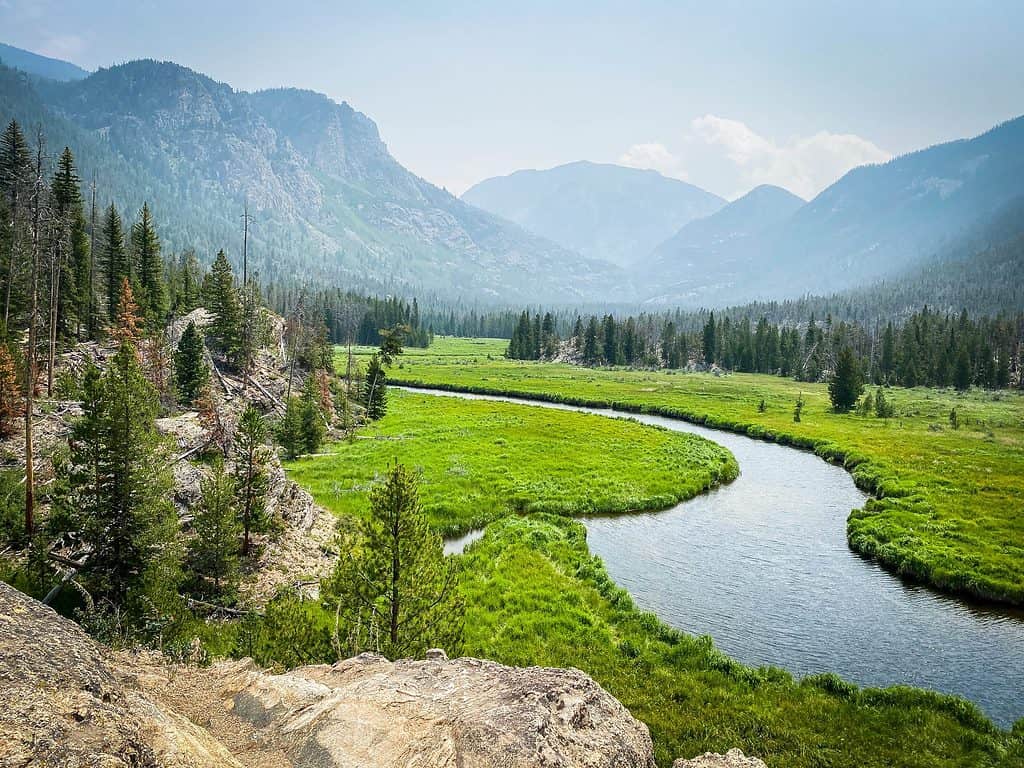
I used to carry my large Canon 6d Mark II DSLR on every hike. Most of the time it was hanging around my neck, and by the end of the day it felt like I’d hauled a small boulder up the mountain. I even tried using a Peak Design Camera Clip on my backpack to make things easier, and while it helped, the setup was still heavy enough that I’d need to see my massage therapist after almost every hike.
Eventually, I realized I wanted to enjoy the hike—not manage my gear. Now, I simply carry my smartphone, and it’s been a game‑changer. I slide it in and out of my legging pockets effortlessly, which means I can grab a quick photo without breaking my stride or digging through my pack. The convenience alone has made hiking feel lighter, easier, and honestly more fun.
Quick Tips for Better Trail Photos
You don’t need a big camera to take great photos on a hike. These simple habits make a huge difference:
- Wipe your lens before every shot for crisp, clear images.
- Step into open shade for softer, more flattering photos.
- Use the trail as a leading line to pull the viewer into the scene.
- Add a person for scale—mountains and waterfalls look bigger and more dramatic.
- Hold still for one extra second to avoid motion blur.
- Take both vertical and horizontal shots so you have options later.
- Move your feet instead of zooming if you can; small shifts create better compositions.
Smartphone photography is all about simplicity, and these quick tweaks help you capture the moment without slowing down your hike. I have a full smartphone photography post if you want more simple, practical tips you can use on your next hike.
Best Time of Day to Hike
The best time of day to hike depends on the season, the weather, and the type of trail you’re tackling, but we almost always start early. Morning hikes give you cooler temperatures, fewer crowds, and softer light—everything feels calmer and more enjoyable. And, it is so much easier to find a parking spot! In the summer, early starts also help us avoid those classic afternoon thunderstorms that roll through the mountains.
Winter is an exception. When it’s cold, we start a little later so the day has time to warm up, and we always plan to finish by mid‑afternoon before the sun drops. We also try to choose trails that are bathed in sunshine instead of shaded by pine trees—that extra warmth makes a huge difference on cold‑weather hikes.
Travel‑Friendly Packing Tips for International Day Hikes
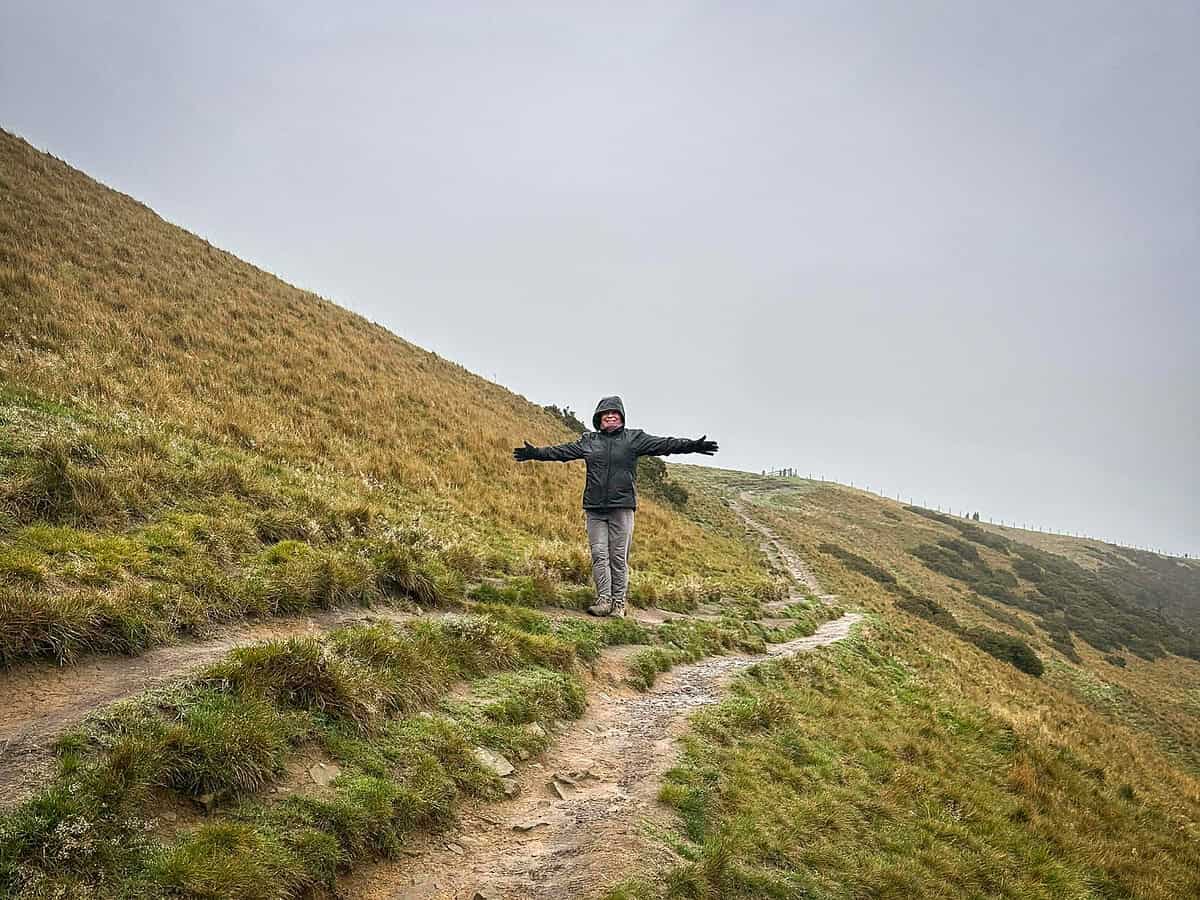
When we hike internationally, for us, we’ve learned there’s really no such thing as “carry‑on friendly” hiking gear. If we want to be comfortable and prepared on the trail, we plan to check a bag—every time. When we hiked Mam Tor in the Peak District, we were so glad we brought our own gear instead of trying to piece things together on the road. One thing we wished we had, though, were waterproof gaiters—or even waterproof pants like the locals wore—because the mud and sogginess was no joke.
Our packable rain jackets, trekking poles, hiking boots, wool socks, and backpacks all came with us, and our backpacks doubled as our personal‑item carry‑ons for the flight. With a little planning, it’s easy to bring the gear you actually like using instead of trying to make do with whatever fits in a carry‑on.

Frequently Asked Questions
What NOT to bring on a day hike?
You don’t need anything bulky or unnecessary. Skip excessive electronics, extra cooking gear, jewelry, a full‑size first aid kit, makeup, or a folding chair. Keep it simple so your pack stays light and comfortable.
Do you recommend hiking apps as hiking essentials?
Yes. Chris and I both use the AllTrails app. Download the maps before you start your hike so you’re covered even if you lose cell service.
Why do I always get a runny nose when I hike?
It’s totally normal. When you’re moving—especially in cooler or windy air—your body warms and humidifies the air you breathe by producing more moisture. Add elevation, dry mountain air, and a little exertion, and your nose works overtime. Annoying, but normal.
How do I prepare my body for hiking?
Build strength and endurance before you hit the trail. Add resistance training a couple of times a week to strengthen your legs, glutes, and core, and mix in regular aerobic activity to improve endurance.
Why do my fingers swell when I hike?
It’s surprisingly common. As you walk, your arms hang down, which slows circulation and lets extra fluid pool in your hands. Warm temperatures, salty snacks, and the constant swinging motion can make your fingers puff up. It’s usually harmless—just your body responding to movement, gravity, and heat.
Love this Post? Pin It!

Before You Hit the Trail
Day hikes don’t have to be complicated. With the right layers, a few smart habits, and a hiking bin that stays packed and ready, you can head out the door whenever the mood strikes. That’s the whole point—less scrambling, more wandering.
To make it even easier, I put together a FREE day‑hike packing list you can save, print, or screenshot. It’s the exact checklist Chris and I use, and it keeps us organized whether we’re hiking at home in Colorado or halfway around the world.
Grab the list, keep it handy, and you’ll be ready for your next trail adventure in minutes.
You may also love…
- 10 Best Winter Hiking Tips to Stay Safe and Warm
- 25 Best Hikes in Colorado Near Denver
- Top 10 Fun Family Adventures in Colorado Springs
- 17 Super Fun Things to Do In Estes Park Colorado
- 17 Best Places in Colorado for Family Travel This Summer
- 29 Best Day Hikes in the World to Stay Fit as You Travel
- 10 Tips for Walking Mam Tor: An Easy Peak District Hike with Epic Views
Well, not every hike is close, but Colorado is pretty amazing.
Yikes. I live in an open space area. I always count it a good summer when I don’t see any snakes in my yard!
Very helpful list! And I love, love, love the photos. My family went on a 3-week trip out west 8 years ago and I have so many lovely memories of hiking in the Tetons and in the Grand Canyon.
Thanks. You should add Colorado to your bucket list. There are so many amazing places to see here!
This is a great list of things to bring on a hike! I’d love to do some hiking this summer.
I hope you do and don’t forget to take pictures along the way!
First, your photos are gorgeous! We haven’t planned anything for spring break this year, but this post has me thinking that a couple of day hikes would be fun + safe activities for us! My kiddo happened to peek over my should while I was reading and saw the waterfall pic. He’s never been to a waterfall, so I sold him on the idea of taking a hike to one…we have a couple gorgeous ones here in Virginia! Pinning this so I can pack thoroughly for our upcoming outings!
Thanks for the kind words. I hope that your son gets to see a waterfall!
I love day hiking (definitely also not a camper at all!) and these are such amazing tips. I love the idea of snapping a photo of the trailhead map. We usually carry a hard copy map, but those can be large and overwhelming depending on the park.
Yay for hiking! Hope you can find some great ones for the summer.
Thanks. Hopefully you can find some great hikes for the summer.
I normally go hiking with nothing more than my stick, some food and my mobile. I will note your checklist.
Thanks!
Let me know how they work for you!
How many thing do you need to go for a walk? I always go with my mobile and nothing else.
Having the right gear make so much of a difference on having a great hike. It took me ages to find the right hiking boots. And I resisted hiking poles for far longer than I should have. We should remember a first aid kit more of the time when we hike.
Hiking poles are awesome. You don’t realize how much you might use them until you do.
Stunning images! Yes, having all the essentials for a hike such as proper clothing, shoes, and sunscreen will make the hike more pleasurable. Hydration and energy bars are two ‘musts’ whether you are going hiking in summer or winter. Great tips! 🙂
Exactly. Can’t stress enough that you need to be prepared.
I hike regularly, but it doesn’t show where I live, so no need for layers and crampons. I hiked in snow once and really don’t want to do it again, haha.
I always carry a first aid kit, like the one you have pictured. For snacks, I make my own! My favourite snacks to make are energy balls and nut butters. For multi day treks, I dehydrate food as well.
The energy balls are a great idea.
I always seem to forget something important when I go hiking, so this list is very helpful! I think the first aid kit is especially important.
It also helps to keep a backpack specifically for hiking. Then your gear is always where it is supposed to be!
This is such a great list. Definitely agree with the park pass. Thanks for sharing!
The park pass is a worthwhile investment and gives great options of where to travel next.
This is a great list of essential things when hiking, your photos as always are stunning
Great tips for hiking in this area along with the supplies. I thinking of heading down that way in the next while. This is not a hike, but can you tell me anything about the Durango Train trip?
You have some of my favorite hiking gear on this list! I love those wool socks for hiking in cold climates, and those hiking boots are fantastic.
A great detailed list of hiking essentials. Plus, I’m with you; my camping days are long gone. Great to read the extra chilly and wet experience when roaming from the path.
This is such an interesting post! I love that you covered every aspect, including preparing your body in advance! Good tip about taking a photo of the map too!
This is a great list to refer to before going on a hike. I cannot wait to go again soon. Thanks for sharing!
Great advice! Always hike prepared. Like you we have learned hard lessons and now ALWAYS carry a few essentials.
This is a great guide on what to pack for the best day hikes. It’s so important to have all the right hiking essentials for a great experience.
As someone who has only hiked a few times in my life, this is such an essential post for me!! In the past I’ve always been with someone experienced who packed all the items for us, but I’d love to adventure with my husband sometime who is also inexperienced. We’ll definitely be referencing this list!
This blog is very informative and helpful for all aspects of hiking. I wish I would have read this before I took my first hike. Thank you for this blog and links!
I always find it interesting to see what everyone else brings on hikes- our list is pretty similar to yours. 🙂 The main thing I always make sure to bring now is Benadryl, so I was glad to see you included it. We recently added water proof socks which has been a bit of a game changer too! I love them.
What an awesome list, I wish I found this sooner so I could have sent it to my mom for Christmas gift ideas!! I’ll still probably send it her way for my birthday 🙂
I’m not the best planner ( always seem to forget something) so this was a super helpful read.
Great list! You mentioned fingers swelling when hiking for longer periods of time. Using trekking poles has solved that for me, even when hiking 5+ hours during the day.